
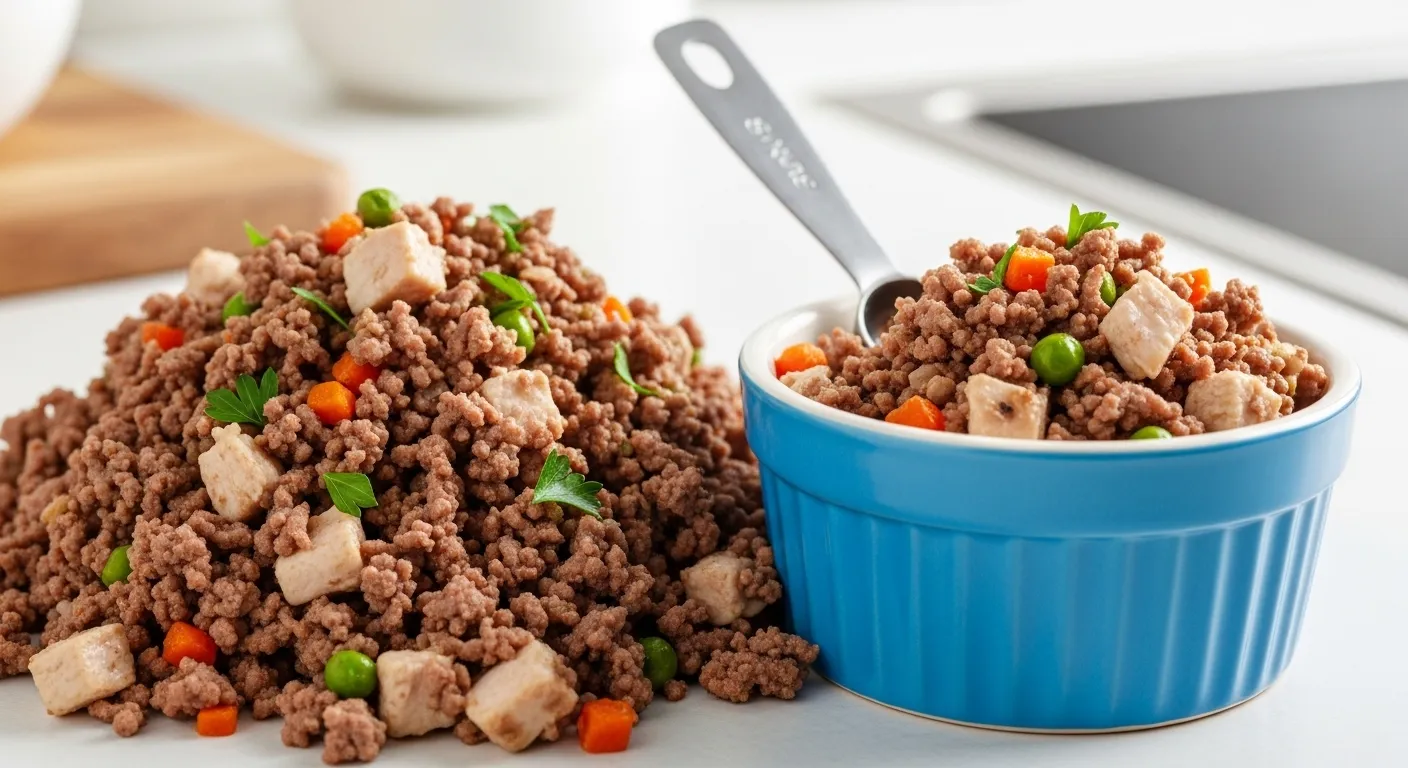
Ground Beef and Turkey Cat Food How-To Guide for Beginners
Do you ever look at your furry friend and wonder if they’re truly happy? We all want the very best for our pets. Making ground beef and turkey cat food at home is a great way to show your love. It lets you control every ingredient in their bowl.

Switching to high-protein cat food can really change your pet’s life. Owners often see more energy and a shinier coat after a few weeks. This guide will help you start this journey with confidence. Choosing healthy ingredients means a better, happier future for your pet.
Understanding the Nutritional Needs of Your Cat
Cats need certain nutrients to stay healthy and active. By focusing on these needs, you can make a healthy cat diet. This diet supports your pet’s long-term health. Making homemade meals lets you control what your cat eats.
The Importance of High-Protein Felines
Cats need animal-based nutrients because they are obligate carnivores. A high-protein cat food helps keep their muscles lean. It also supports their metabolism. Without enough animal protein, cats may lack energy.
Why Grain-Free Cat Food Matters
Many commercial cat foods have fillers that cats don’t need. Choosing grain-free cat food can reduce inflammation. It also helps with digestive issues. Cats often have better skin and more energy without grains.
Balancing Taurine and Essential Minerals
Making premium cat food at home requires attention to detail. Taurine is key for heart and vision health. It must be in every meal. You also need to balance essential minerals to avoid health problems. Proper supplementation is crucial for complete nutrition.
Essential Ingredients for Homemade Ground Beef and Turkey Cat Food
Feeding your cat the best means using premium ingredients that match their natural diet. By controlling what they eat, you help them stay healthy. High-quality foods are key to a healthy life for your cat.

Selecting Quality Ground Beef and Turkey
Always choose fresh, human-grade meat as the main protein. When buying ground beef and turkey cat food, pick lean cuts without sodium, seasonings, or preservatives. These can harm your cat.
Choosing high-quality meat gives your cat the amino acids they need. Look for products that are not heavily processed. Make sure the meat is fresh and handled right.
Incorporating Organ Meats for Nutrient Density
Muscle meat alone is not enough for your cat’s needs. Organ meats add vital micronutrients missing in muscle tissue. These organs are like a multivitamin for your pet.
- Beef Heart: Rich in taurine for heart health.
- Liver: Full of Vitamin A and iron for immune support.
- Kidney: Has B vitamins and minerals in a dense form.
Adding these organs makes your homemade food like premium cat food. Use a small amount of organ meat compared to muscle meat.
Choosing Safe Supplements and Additives
Even with great meat, your homemade food needs specific supplements. These fill gaps not covered by whole-prey diets. Always talk to your vet before adding new supplements.
Common supplements include:
- Calcium: Balances phosphorus in meat.
- Taurine: Prevents vision and heart problems.
- Fish Oil: Gives Omega-3 fatty acids for skin and coat.
- Vitamin E: Supports cellular health as an antioxidant.
With these ingredients, you can make a diet that’s safe and nutritious. Your cat will thank you for their healthy meals.
Safety and Preparation Guidelines for Raw and Cooked Meat
When you handle raw meat for your cat, you must follow safety rules to avoid sickness. Making your own grain-free cat food means you’re like a pro in the kitchen. Keeping everything clean helps keep you and your pet safe from harm.
Preventing Bacterial Contamination in the Kitchen
Raw meat can have harmful germs like Salmonella or E. coli. These germs can spread to your counters or tools. Always keep raw meat away from your food to stop germs from spreading.
Wash your hands well with soap and water for at least twenty seconds after touching raw meat. Use a special cutting board for meat to keep your kitchen safe. Don’t let raw juices spill on other surfaces while you’re preparing.
Temperature Control During Thawing and Cooking
It’s important to control the temperature when making wet cat food. Don’t thaw meat on the counter, as germs grow fast there. Always thaw it slowly in the fridge.
If you cook the meat, make sure it’s hot enough to kill germs. A digital meat thermometer helps you know if it’s safe. Keeping the food at the right temperature is key to making it healthy.
Sanitizing Equipment and Surfaces
After making your wet cat food, clean all tools you used. Use water and bleach or a safe cleaner to clean all areas. Make sure to clean tight spots in knives, bowls, and grinders where germs can hide.
Let all tools dry completely before putting them away. A clean kitchen is the best way to avoid getting sick. By cleaning up well, you make sure every meal is healthy and tasty.
Step-by-Step Preparation Process
Turning raw ingredients into a healthy meal for your cat is easy. By controlling the kitchen, you make sure your ground beef and turkey cat food has no bad stuff in it.
Preparing the Meat Base
Begin by picking fresh meat cuts. If using a grinder, grind the beef and turkey on a medium plate. This makes the meat easy for your cat to chew and digest.
If grinding meat isn’t your thing, chop the proteins into small pieces. Consistency is key here. It helps your cat enjoy the meal without trouble from big chunks.

Mixing Supplements and Moisture
After preparing the meat, add the important nutrients. Dissolve powdered supplements in warm water or bone broth before mixing them with the meat.
This step is crucial for a wet cat food that’s moist like a natural diet. Mix everything well with a spoon or clean hands. This way, every bite is full of nutrients.
Portioning for Daily Feedings
Being efficient helps you keep up with your busy life. Use a kitchen scale to measure out the right amount for your cat’s needs.
Put these portions in airtight containers or freezer bags to keep them fresh. Making your ground beef and turkey cat food in batches means you always have healthy meals ready.
Storage and Serving Best Practices
Keeping your cat’s meals fresh is key. Proper storage keeps your natural pet food fresh until the last bite.
Freezing and Thawing Methods for Freshness
Store meals in airtight containers or vacuum-sealed bags. Use small portions to avoid thawing too much at once.
For safe serving, follow these steps:
- Move frozen portions to the fridge the night before.
- Thaw slowly in the fridge to avoid bacteria.
- Don’t use a microwave to prevent nutrient loss.
- Serve at room temperature for better taste.
Transitioning Your Cat to a Natural Pet Food Diet
Switching to a healthy cat diet should be slow. Cats like their routine and may not like sudden changes.
Begin by mixing a little homemade food with their old food. Gradually increase the homemade food over seven to ten days. This helps their stomach adjust smoothly.
Monitoring Your Cat’s Health and Weight
After the switch, watch your cat closely. A healthy cat diet means they should be full of energy and have a shiny coat.
Track these important signs:
- Weight consistency: Use a scale to check their body condition.
- Digestion: Look for changes in stool or frequency.
- Energy levels: See if they’re more active or playful.
- Vet check-ups: Visit the vet regularly to ensure your homemade natural pet food is right.
Conclusion
Switching to homemade food is a big step for your cat’s health. You know how to pick good ingredients and make food that’s right for your cat.
Watching your pet closely is key as you start this new diet. Regular vet visits are important to keep your cat healthy. They help you see if your cat is gaining or losing weight and if they have more energy.
Making small changes can make a big difference in your cat’s health. Talking to other pet owners about your experiences can help. Your hard work in making healthy food for your cat will make their life better and longer.


