
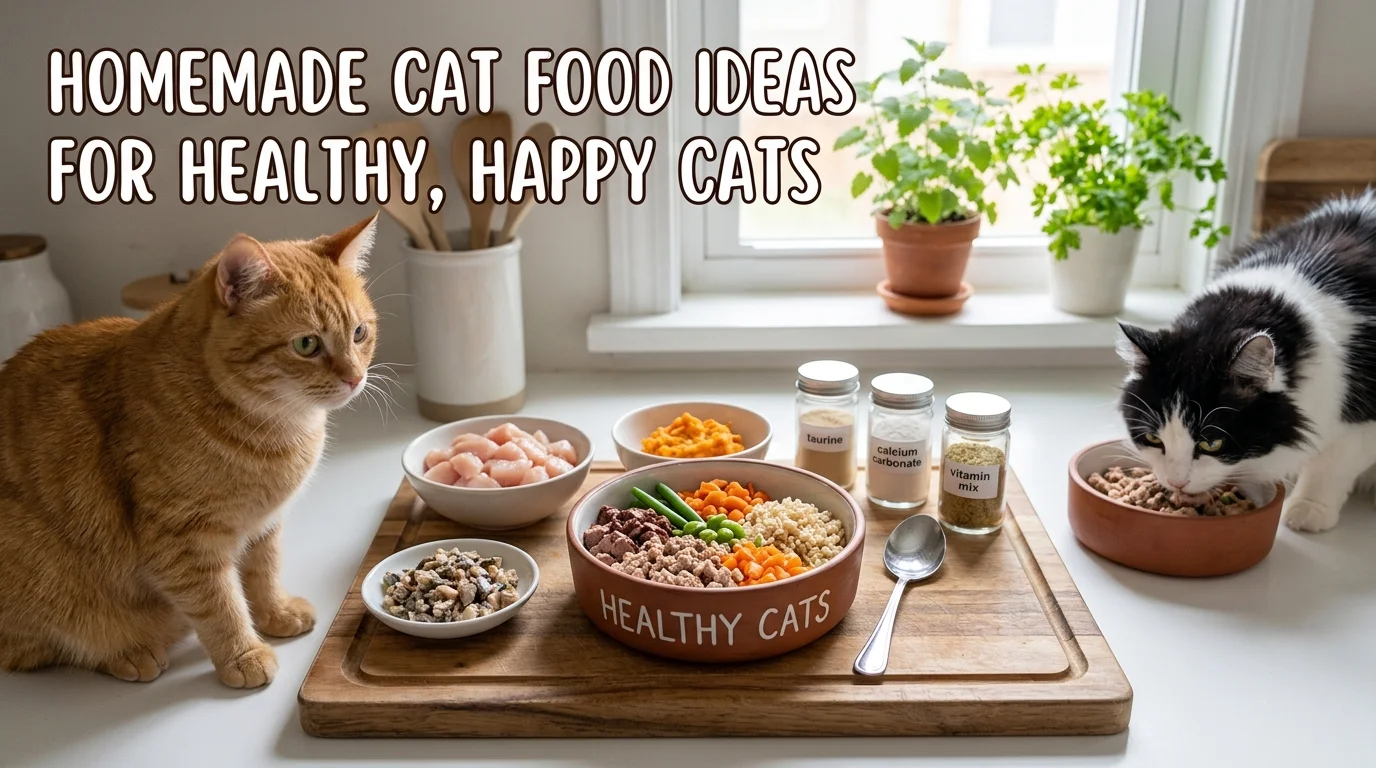
5 Homemade Cat Food Ideas for Healthy, Happy Cats
Watching your cat curl up after a long day is special. As pet parents, we want to make sure they stay healthy. Choosing the right nutrition is key to showing our love and ensuring they thrive.
More owners are making their cats’ meals at home. This lets you control every ingredient, giving your pet the best. By using high-quality proteins and nutrients, you can boost their energy with healthy cat food.

Starting a new diet for your cat doesn’t have to be hard. We’ve got 5 homemade cat food ideas to help you begin. These simple recipes are perfect for any cook, helping you care for your furry friend with confidence.
Essential Nutritional Guidelines for Homemade Cat Food
Making healthy cat food at home is rewarding. It starts with knowing about cats’ biology. Cats need nutrients from animal tissues to stay healthy.
Understanding Feline Dietary Requirements
Cats need high-protein diets, not much carbs. They must get taurine for heart and eye health. Without it, cats can get very sick.
When making cat food recipes, follow AAFCO’s nutritional standards. These ensure your cat gets all needed vitamins and minerals. Consistency is key for your cat’s health.
Sourcing High-Quality Proteins and Supplements
The base of diy cat food is the protein quality. Choose fresh, human-grade meats like chicken or turkey. Stay away from processed meats with sodium or preservatives.
You might need to add supplements like calcium or B vitamins. Consulting with a veterinary nutritionist helps figure out what your cat needs.
Safety Precautions and Ingredients to Avoid
Don’t share your food with your cat. Many foods are bad for them. Avoid onions, garlic, grapes, and chocolate in your cat food recipes.
Proper cooking is crucial. Cook meats well to kill harmful bacteria. This way, you can give your cat diy cat food that’s safe and tasty.
5 Homemade Cat Food Ideas for Your Feline Companion
Making natural cat food at home lets you pick what your cat eats. You can use fresh ingredients to meet your cat’s health needs. These 5 homemade cat food ideas are great for your cat’s daily nutrition.
Steamed Chicken and Brown Rice Blend
This recipe is great for cats with sensitive stomachs. It has lean protein and fiber-rich grains. This makes a soothing meal that’s easy to digest.
- 1 cup cooked, shredded chicken breast
- 1/4 cup cooked brown rice
- 1 tablespoon chicken broth (low sodium)
Salmon and Sweet Potato Feast
Salmon is full of omega-3 fatty acids. These are good for a shiny coat and healthy skin. Sweet potatoes make this one of the most popular cat food recipes for active cats.
- 1 cup cooked salmon, flaked and deboned
- 1/2 cup mashed, cooked sweet potato
- A pinch of taurine supplement
Turkey and Spinach Nutrient-Dense Meal
Turkey is a lean protein that most cats can handle. Adding spinach gives essential vitamins and minerals.
- 1 cup cooked ground turkey
- 1 tablespoon finely chopped, steamed spinach
- 1 teaspoon fish oil
Beef and Pumpkin Digestive Support Recipe
Pumpkin helps with digestive issues. This beef dish is flavorful and good for long-term health.
- 1 cup cooked lean ground beef
- 2 tablespoons pureed pumpkin (unsweetened)
- 1/2 teaspoon bone meal
Rabbit and Carrot Natural Protein Mix
Rabbit is a great protein for cats with sensitivities. This recipe offers a unique taste that keeps mealtime fun.
- 1 cup cooked rabbit meat
- 1 tablespoon finely grated, steamed carrots
- A dash of essential feline vitamin mix
Trying these homemade cat meal options lets you mix up ingredients. This keeps your cat interested in their food. Make sure your cat food recipes are balanced with the right supplements for your cat’s health.
Step-by-Step Preparation and Storage Techniques
When you make diy cat food, keeping your kitchen clean is key. This stops harmful bacteria from growing. It makes sure every meal is safe and tasty for your cat.
Sanitation Practices for Raw and Cooked Ingredients
Handle your cat’s food like you do your own. Wash your hands, utensils, and cutting boards with hot, soapy water. This stops cross-contamination from raw proteins to other foods.
Here are some kitchen hygiene tips:
- Use separate cutting boards for meat.
- Sanitize all surfaces with a food-safe disinfectant after cooking.
- Store raw ingredients in airtight containers at the bottom of your fridge.
- Cook proteins to the right temperature to kill bacteria.
Batch Cooking and Portion Control Strategies
Batch cooking saves time and lets you try new homemade pet food ideas. It means less kitchen cleanup and consistent nutrition for your cat.
Controlling portions is crucial for your cat’s weight. Use a digital kitchen scale for exact servings. This avoids overfeeding and keeps your cat’s diet balanced.
Proper Freezing and Thawing Methods for Freshness
Freezing keeps your meals fresh and full of nutrients. Put portions in freezer-safe bags or containers. Remove air to prevent freezer burn. This method also works for homemade cat treats.
Thaw food in the fridge overnight. Don’t use the microwave, as it can harm vitamins. Patience ensures your cat gets a safe and tasty meal.
Transitioning Your Cat to a Homemade Diet
Starting your cat on natural cat food is a rewarding journey. It needs a slow, steady approach. Sudden diet changes can upset your cat’s stomach, making it hard for both of you.
Start by mixing a little of the new food with their old meals. Do this over several weeks. This lets their body adjust comfortably.
Monitoring Your Cat During the Dietary Shift
Watch your cat closely during this time. Look for signs like energy and a healthy, shiny coat. If they seem excited about the new food, it’s a good sign.
Keep track of how much they eat each day. This helps you see if they’re getting enough nutrients. Consistency is key for a natural diet.
Signs of Nutritional Deficiencies to Watch For
Be alert for potential issues. Look out for sudden tiredness, which could mean they’re not getting enough calories or vitamins. A big drop in appetite or weight loss is a warning sign.
Also, watch for changes in stool quality or a dull coat. If you see these signs, don’t ignore them. Your cat’s health is the top priority, and these signs might mean the recipe needs a tweak.
When to Consult Your Veterinarian
Always talk to your vet before changing your cat’s diet for good. They can check if your recipes are healthy. This is crucial if you’re adding homemade cat treats to their meals.
If your cat has ongoing digestive problems or won’t eat for more than a day, see your vet. They can help make your recipes better for your cat. Working with your vet makes sure your homemade diet is safe and good for your cat.
Conclusion
Controlling your cat’s food has a big impact on their health. It makes your bond with them stronger. You get to make fresh, special meals for them every day.
Homemade meals can make your cat healthier and more energetic. You use the best ingredients to help them live a long, happy life.
We encourage you to share your homemade pet food stories. Your experiences can help others see the good in fresh diets.
Remember to work closely with your vet. They can make sure your recipes are safe and healthy for your cat. Your care and effort make a big difference in your cat’s happiness every day.


