
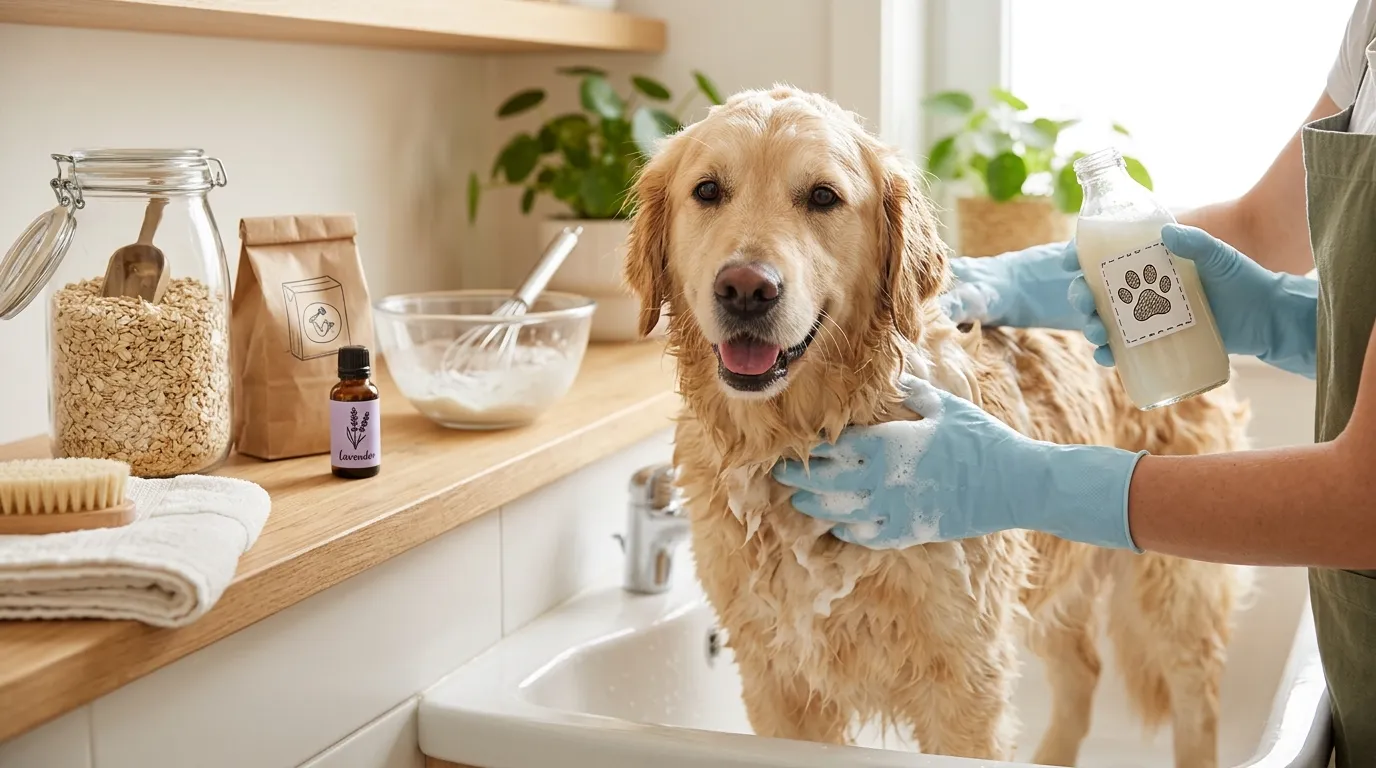
How to Make a Fantastic DIY Dog Shampoo Step by Step
There’s nothing like the warm, fuzzy feeling of cuddling with your best friend after a bath. You want your pup to smell clean and feel soft. But store-bought shampoos often have harsh chemicals that can irritate their skin. Creating your own grooming supplies at home is a great way to keep your pet happy and healthy.

Using natural ingredients lets you make a wash that’s just right for your pet. If your furry friend has dry skin or loves to get dirty, these simple recipes are a safe and effective solution. You’ll love the gentle scent, and your pet will feel extra special during their bath.
This process also strengthens your bond with your pet. It turns a routine task into a rewarding experience filled with love and trust. Let’s look at the easy steps to make the perfect shampoo for your loyal friend.
- Avoid harsh chemicals by using gentle, household ingredients.
- Customize washes for specific skin sensitivities.
- Deepen your emotional connection through hands-on care.
Why Choose Homemade Pet Care Products
Ever thought about what’s in your dog’s shampoo? Many commercial shampoos have synthetic fragrances, sulfates, and preservatives. These can harm your pet’s coat. Switching to a homemade dog shampoo makes grooming safer.
The trend of homemade pet care products is on the rise in the U.S. Pet owners worry about the long-term effects. Making your own products means you control what touches your dog’s skin.
Homemade dog shampoo lets you customize for your pet’s needs. Store-bought shampoos can dry out or irritate your dog’s skin. Natural ingredients help keep your dog’s coat shiny and healthy.
Also, homemade pet care products lower allergy risks. Dogs often react to artificial additives in commercial soaps. Making your own products removes these allergens, making baths safer and more comfortable.
Essential Ingredients for Natural Dog Shampoo
Before you start, it’s important to know why dogs need special skin care. A natural dog shampoo recipe lets you pick what touches your pet’s fur. This way, bath time can be both soothing and healthy.
Understanding pH Balance for Canines
Dogs’ skin is different from ours. While our skin is slightly acidic, a dog’s skin is closer to neutral. This makes their skin sensitive to harsh chemicals.
Using human products can upset this balance. Disrupting the acid mantle can cause dryness, irritation, and even infections. It’s best to use pet-friendly shampoo ingredients that respect their natural pH.
Benefits of Natural Oils and Soaps
Making an organic dog shampoo at home lets you use nourishing ingredients. Natural oils and gentle soaps clean the fur without drying it out. They are safer and more effective than synthetic products.
Here are some good things to add to your natural dog shampoo recipe:
- Coconut Oil: It moisturizes and adds shine to the coat.
- Castile Soap: A gentle, effective cleaner without harsh detergents.
- Aloe Vera: It calms itchy or irritated skin during baths.
- Essential Oils (Dog-Safe): Lavender or chamomile adds a nice scent and calms your pet.
Using an organic dog shampoo made with these ingredients keeps your pet clean and happy. By choosing pet-friendly shampoo ingredients, you’re caring for your dog’s skin and coat health.
Safety Precautions and Ingredients to Avoid
Keeping your dog safe starts with knowing what not to use in diy pet grooming. Making your own products is fun, but be careful about what you use. Your dog relies on you to make sure every bath is safe and gentle.
Essential Oils That Are Toxic to Dogs
Many think natural oils are safe for pets. But, this is not true. Some oils can cause big problems, like skin issues or brain problems.
Stay away from oils like tea tree, pennyroyal, wintergreen, and pine. Even a little bit can harm dogs. Always check every ingredient to make sure it’s safe for pets.
Human Shampoo vs. Dog Shampoo
It’s easy to use your own shampoo on your dog. But, this is a big mistake. Human skin and dog skin are very different.
Human shampoo can hurt your dog’s skin. It can make their coat dry and itchy. Use diy pet grooming recipes made just for dogs. This keeps their skin healthy and happy.
How to Make a Fantastic DIY Dog Shampoo
Learning how to make a fantastic DIY dog shampoo is easier than you might think. By taking control of the process, you ensure that your pet receives a bath free from harsh chemicals and synthetic fragrances.
Gathering Your Supplies and Equipment
Before you begin, organize your workspace to keep the process efficient. You will need a clean mixing bowl, a whisk or spoon, and a funnel for pouring the mixture into a storage container.
Choose a durable, BPA-free plastic or glass bottle for your final product. Having a measuring cup on hand is essential to ensure you maintain the correct ratios for a safe and effective wash.
Mixing Your Base Ingredients
The secret to a great wash lies in the balance of your base ingredients. You want a consistency that is thin enough to pour easily but thick enough to lather well on your dog’s coat.
Always start by combining your liquid base with water before adding any essential oils or additives. This ensures a smooth, uniform texture that is gentle on your dog’s skin.
The Gentle Castile Soap Method
Castile soap is a popular choice because it is plant-based and highly effective at removing dirt. To create this wash, mix one part liquid castile soap with four parts distilled water.
If your dog has sensitive skin, you can add a teaspoon of vegetable glycerin to help lock in moisture. Gently stir the mixture until it is fully combined, then pour it into your bottle.
The Oatmeal Soothing Formula
If your pet suffers from dry or itchy skin, an organic dog shampoo featuring oatmeal is a fantastic solution. Grind plain, uncooked oats into a fine powder using a blender or food processor.
Mix the oat powder with warm water and a small amount of mild castile soap to create a soothing paste. This natural blend helps calm irritation while effectively cleaning your dog’s fur.
Step-by-Step Bathing Guide for Your Dog
Turning your bathroom into a spa for your dog is simple. By following a set routine, you can make bath time a bonding experience. This keeps your furry friend happy and clean.
Preparing Your Dog for the Bath
Before starting, it’s key to prepare well for diy pet grooming. Brush your dog’s coat to remove loose fur and tangles. This step stops mats from getting worse when wet.
Get all your supplies ready, like homemade shampoo and towels, before your dog comes in. A calm space helps reduce stress. Soft music or treats can help keep your pet calm.
Applying the Shampoo Effectively
When your dog is in the tub, wet their coat with lukewarm water. Don’t spray water on their face to avoid stress during your diy dog bath.
Put the natural shampoo on their neck and work down to the tail. Massage the soap into their skin with your fingers. This is a key diy dog grooming tip for a deep clean. Be careful not to get soap in their eyes or ears.
Rinsing and Drying Techniques
Rinsing well is crucial to avoid skin irritation. Make sure all soap is gone to prevent itching or dryness later.
Let your dog shake off water before drying. Gently pat their fur dry instead of rubbing hard. This helps prevent tangles. Following these diy dog grooming tips will make your pet feel fresh and comfortable after every diy dog bath.
Customizing Recipes for Specific Skin Needs
Every dog has unique skin needs. A standard natural dog shampoo recipe works for many pets. But some pups need extra care to stay comfortable.
Formulas for Dry or Itchy Skin
If your dog has flaky or irritated skin, adding soothing ingredients is key. Aloe vera gel is great for calming inflammation and hydrating the coat. Adding a teaspoon of raw honey helps lock in moisture.
When adjusting your natural dog shampoo recipe for sensitive skin, mix well. Make sure any additives are fully mixed into the base before bathing. This step prevents irritation and makes your dog soothed and refreshed.
Solutions for Odor Control
Sometimes, a dog needs extra help to stay smelling fresh. Instead of harsh synthetic fragrances, use natural odor-neutralizing agents. Apple cider vinegar balances the skin’s pH and cuts through stubborn smells.
Adding a small amount of baking soda to your natural dog shampoo recipe is also good. Baking soda absorbs odors instead of just masking them. Using these gentle, plant-based ingredients keeps your pet smelling clean without harsh chemicals.
Tips for Storing and Maintaining Your DIY Shampoo
Storing your DIY dog bath supplies right keeps them safe and effective. Natural ingredients don’t have harsh preservatives. So, they need extra care to avoid damage from light, heat, and air.
Proper Container Selection
Choosing the right container is key to protecting your homemade dog shampoo. Pick containers that keep the shampoo safe from the environment.
- Opaque bottles: These stop light from harming natural oils and extracts.
- Airtight seals: Use pump dispensers or flip-top caps to keep air out.
- Material safety: Glass or BPA-free plastic is best to avoid chemicals.
- Labeling: Mark bottles with the date made to track freshness.
Shelf Life and Preservation
Your homemade dog shampoo lasts shorter without commercial stabilizers. It stays fresh for two to four weeks in a cool, dark spot.
If you see color, texture, or smell changes, throw it out. Storing in the fridge might help, but check for mold first.
It’s better to make small batches often than store big amounts for too long. This keeps your pet’s grooming fresh and quality.
Conclusion
By taking charge of your pet care, you build a stronger bond with your dog. Switching to homemade products means avoiding harsh chemicals. This way, you control every ingredient that touches your dog’s skin.
Using natural methods keeps your pet comfy and smelling good. These DIY tips make grooming easier and better for your dog’s health. Your dog will love the gentle care and the absence of harsh smells.
Begin by trying one homemade recipe this weekend. Share your success with other pet owners online or in your community. Your efforts will make your dog happier and cleaner, starting with small, thoughtful steps.


