
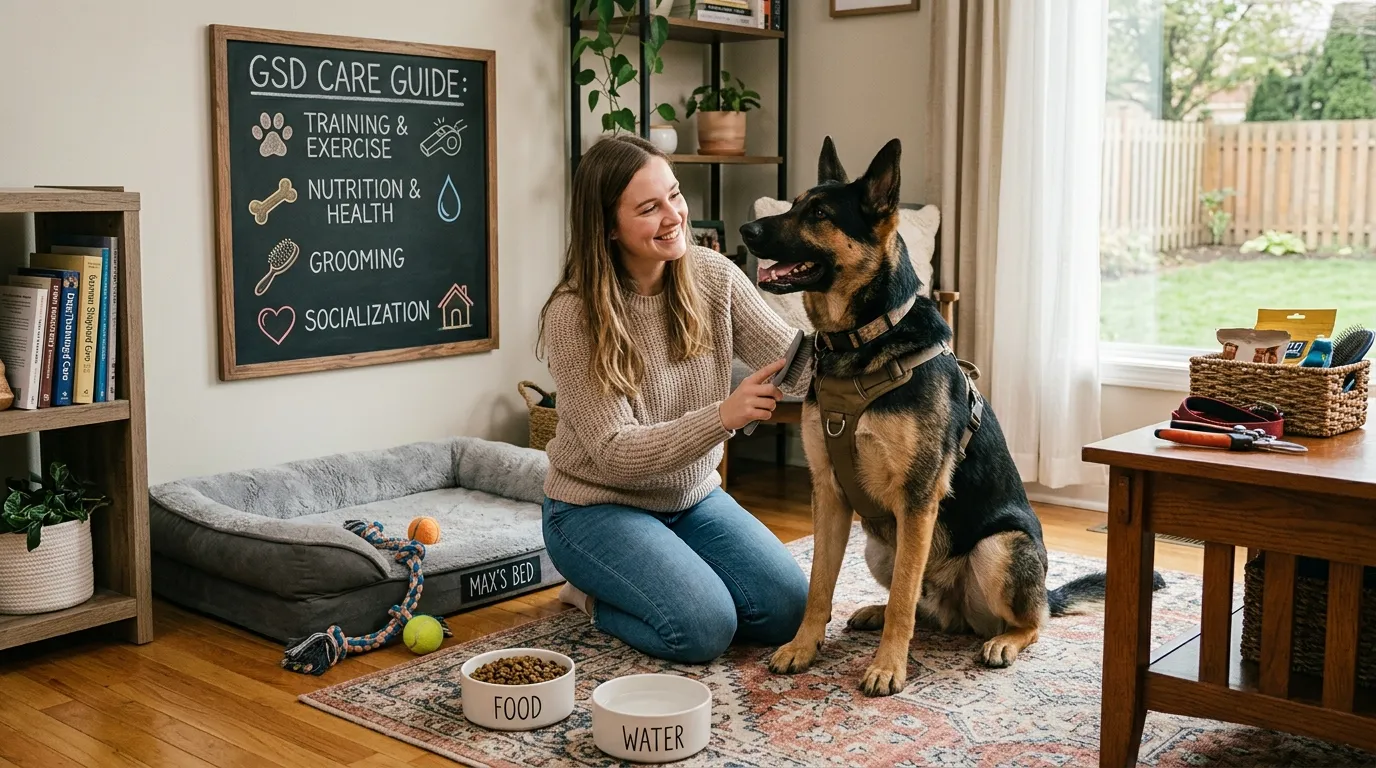
German Shepherd Care Guide Tips for New Owners Made Easy
Bringing a loyal companion into your home is a life-changing experience. You are embarking on a journey filled with unconditional love and deep connection.
This German Shepherd journey requires both patience and preparation. By understanding the unique needs of this intelligent breed, you build a foundation of trust that lasts a lifetime.

Our comprehensive care guide offers essential tips designed to help new owners navigate the early stages of training and bonding. We want to ensure your furry friend thrives in their environment from the very first day.
Think of this resource as your personal roadmap. With the right approach, you will create a happy, healthy life together that celebrates the incredible spirit of your canine partner.
Essential German Shepherd Care Guide Tips for New Owners
Getting a new German Shepherd puppy is exciting. It’s the start of a journey filled with loyalty and adventure. To make the early days smooth, follow a german shepherd care guide tips for new owners. This will help you build a strong bond with your new friend.
Understanding the Breed Temperament
German Shepherds are known for their extraordinary intelligence and loyalty. They love to have a job and feel part of the family. Early exposure to different places helps them grow into well-adjusted adults.
Your puppy will be very observant and want to please you. They form strong bonds with their owners, making great companions. Use consistency and positive reinforcement to help them grow in a calm and friendly way.
Preparing Your Home for a New Puppy
Good German Shepherd puppy care starts with a safe, welcoming home. Before your puppy arrives, make sure your home is puppy-proofed. Puppies explore with their mouths, so removing dangers is key.
Here are some important steps to keep your home safe:
- Secure all electrical cords and wires behind furniture or covers.
- Remove toxic houseplants that could be harmful if ingested.
- Set up a designated crate area to provide a secure, quiet retreat.
- Store cleaning supplies and chemicals in high, locked cabinets.
- Provide plenty of durable chew toys to satisfy their teething needs.
Creating a special area for your puppy helps them feel safe. By removing dangers, you let your dog explore safely. This makes a stress-free atmosphere for your bond to grow every day.
Nutrition and Diet Recommendations
Good nutrition is key for your dog’s health and happiness. The right food at the right time supports their growth and joint health. Following german shepherd diet recommendations helps your dog stay healthy at every life stage.
Choosing High-Quality Protein Sources
Protein is vital for muscle growth in active breeds. Look for foods with high-quality animal protein like chicken, beef, or lamb as the first ingredient.
Stay away from fillers like corn or soy. High-quality proteins help your dog keep lean muscle and stay energetic.
Managing Feeding Schedules for Growth
Keeping a regular feeding schedule is important. Feeding at the same times each day helps with digestion and keeps metabolism steady.
For German Shepherd puppy care, feed in three or four smaller meals. This helps prevent bloating and keeps energy levels up.
Puppy vs. Adult Nutritional Needs
Puppies need more calories for fast growth. Puppy formulas have extra calcium and phosphorus for strong bones.
Adult dogs need less food as their metabolism slows. Switch to an adult diet to avoid weight gain and protect joints.
Common Dietary Allergies to Watch For
Some dogs may react to certain foods even with a good diet. Watch for skin issues, ear infections, or digestive problems.
Wheat, dairy, or certain proteins can cause these issues. If you see these signs, talk to your vet about changing their diet.
Grooming Essentials for a Healthy Coat
Proper grooming keeps your German Shepherd looking and feeling great. Start a grooming routine early to make it a bonding experience. The right German Shepherd grooming essentials keep your pet comfy all year.
https://www.youtube.com/watch?v=dKAzAG9S2x8
Managing the Double Coat Shedding Cycle
German Shepherds have a thick double coat for protection. They shed a lot twice a year, called “blowing their coat.”
During these times, your home will get a lot of loose fur. Consistent brushing helps manage this. It also prevents painful mats and keeps the coat healthy.
Recommended Brushing Tools and Techniques
You need special tools for thick fur. An undercoat rake gets to the fur near the skin. Then, use a slicker brush to smooth the outer coat.
Brush in the direction of hair growth to avoid discomfort. Pay extra attention to areas that tangle easily, like behind the ears and near the tail. Regular use of these german shepherd grooming essentials reduces hair on furniture.
Bathing and Nail Care Best Practices
Bathing should be rare to keep natural oils. A bath every few months is enough unless your dog gets dirty. Use dog-specific shampoo to keep their skin balanced.
Nail care and ear cleaning are key. Regular nail trimming prevents pain and joint issues. Also, check their ears weekly for signs of infection.
Exercise Requirements and Mental Stimulation
It’s key to meet the German Shepherd exercise requirements for a happy dog. This breed has lots of energy from its work background. Without enough activity, they might get bored and damage things.
Physical Activity Needs for Different Life Stages
Dogs grow and change, so their exercise needs do too. Puppies need short, fun activities to keep their bones strong. Stay away from hard exercises like long runs until they’re fully grown.
Adult dogs need more intense activities like long walks and fetch. Keeping them active helps them stay healthy and strong. Tailor their exercise to their age to avoid injuries.
Engaging Games for Mental Enrichment
Mental games are as important as physical ones for this smart breed. Brain games can tire them out as much as exercise. Playing with them daily keeps them happy and focused.
Puzzle Toys and Scent Work
Puzzle toys are great for keeping dogs busy when you’re away. They solve problems to get treats, which is fun for them. You can also hide treats for them to find.
Scent games are special because they use the sense of smell. Even a short game can make them feel happy and calm. These activities meet their needs and strengthen your bond.
Training and Socialization Strategies
Building a strong bond with your German Shepherd starts with clear communication. These smart dogs do well when they know what you expect. Use German Shepherd training tips to turn your puppy into a well-behaved friend.
Positive Reinforcement Techniques
Teaching your dog is best with positive reinforcement. This method rewards good behavior instead of punishing bad ones. Give treats, toys, or praise when they do something right.
Consistency is key. Keep training fun and short to avoid boredom. Your dog will learn that listening is rewarded.
Early Socialization with People and Pets
Introducing your puppy to new things is crucial. Follow German Shepherd socialization tips to make your dog confident. Introduce them to various sights, sounds, and textures early on.
- Invite friends over to meet your puppy in a controlled environment.
- Visit quiet parks to let your dog observe other people and pets from a distance.
- Expose them to common household noises like vacuums or doorbells.
- Enroll in a puppy obedience class to practice social skills with other dogs.
Addressing Common Behavioral Challenges
Even well-behaved dogs face challenges. Good German Shepherd behavior training finds the cause of problems like jumping or barking. Instead of getting angry, teach them a better way to act.
For example, teach your dog to “sit” before greeting guests. If they pull on the leash, stop moving until they come back. Patience and calm leadership will help solve these issues, keeping your dog happy and well-behaved.
Maintaining a Health Check Routine
Keeping up with a German Shepherd health check routine is key to your dog’s happiness. It helps them live a long, active life. Regular checks catch small issues before they get big.
Preventative Care and Veterinary Visits
Regular vet visits are crucial for pet care. See your vet at least twice a year. This helps track your dog’s health and spot problems early.
Talk about any changes in your dog’s behavior or energy at vet visits. Open communication with your vet is important. It helps keep your dog healthy for a long time.
Monitoring for Breed-Specific Health Issues
German Shepherds need extra care for certain health issues. Watch your dog closely for signs of pain during daily activities. Catching problems early is key.
Hip and Elbow Dysplasia Awareness
Hip and elbow problems are common in German Shepherds. Look for signs like reluctance to climb stairs or an unusual gait. If your dog seems stiff or favors a leg, see your vet right away.
Keeping Up with Vaccinations and Parasite Control
Protecting your dog from diseases is essential. Keep a calendar for vaccinations and parasite control. These steps keep your dog safe from viruses and parasites.
Follow your vet’s advice on treatment schedules. Staying current on these treatments greatly benefits your dog’s life. A healthy dog is a happy dog, thanks to your care.
Conclusion
Welcoming a German Shepherd into your life is the start of a wonderful journey. This breed is known for its loyalty and smarts. With the right care, they can bring joy and companionship into your home.
Success with your German Shepherd comes from daily habits. Playing with them regularly and talking clearly helps build trust. By following these care tips, your dog will feel safe and loved.
Keep learning about your dog’s changing needs as they grow. Look for local trainers or breed clubs for more advice. Enjoy every moment with your loyal friend as they grow and thrive with you.


