
Beginner’s Guide for First-Time Dog Owners: Essential Tips
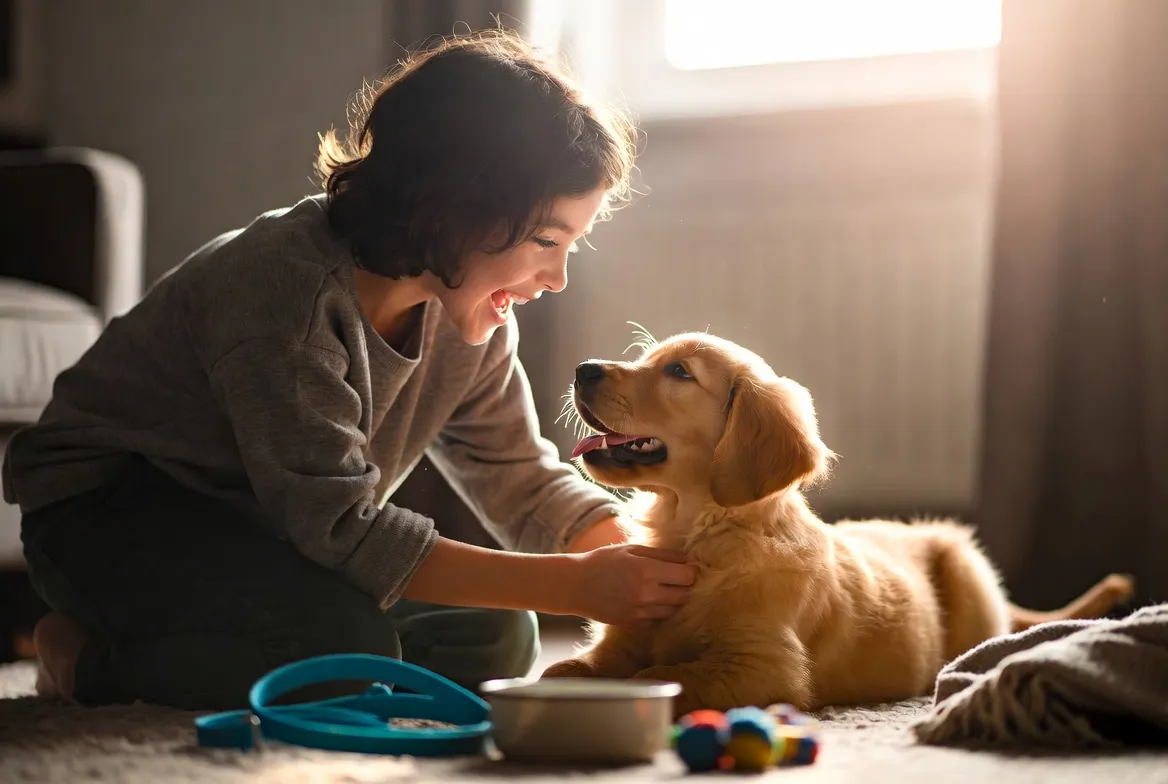
Getting a new puppy is a life-changing milestone that fills your heart with joy. You’re starting a beautiful journey of companionship. It will change your daily life in great ways.
This Beginner’s Guide for First-Time Dog Owners will help you in the early days. Being prepared is key to a strong bond with your new furry friend.

Creating a stable home needs patience and calm. By following these steps, your pet will feel safe and loved right away.
Start this new chapter with an open heart. You have everything to give your loyal companion a wonderful life. We’re here to support you every step of the way.
Preparing Your Home for a New Arrival
Starting off as a new dog owner means getting your home ready. This beginner’s guide for first-time dog owners helps make your home safe for your pet. It’s all about creating a secure space from the start.
Getting your home ready helps avoid accidents. It also makes moving in less stressful for your dog.
Puppy-Proofing Your Living Space
Look at your home from your dog’s point of view. Small items can be choking hazards. So, keep your floors clear of clutter. Taking these small steps now will save you a lot of worry later.
Here are some key steps to keep your home safe:
- Secure all loose electrical cords with covers or cord protectors.
- Remove or relocate toxic houseplants that could harm your pet.
- Store cleaning supplies and chemicals in high, locked cabinets.
- Block off areas with fragile items or expensive furniture.
Creating a Dedicated Safe Zone
Every dog needs a quiet spot to retreat to. This dedicated safe zone should be a quiet corner of your home. You can use a crate, playpen, or a cozy corner with a soft bed.
Make sure this area is off-limits to other pets or small children during rest times. Providing this sanctuary helps your dog build confidence as they adjust to their new surroundings. It’s a key part of helping them feel at home.
Setting Up Sleeping and Feeding Areas
Consistency is key when you are starting as a new dog owner. Pick a specific spot for your dog to sleep. It should be away from high-traffic areas. A comfortable bed in a draft-free location will encourage better rest.
Also, choose a permanent location for food and water bowls. Keep these areas clean and easy for your dog to access at all times. By establishing these routines early, you help your new companion understand exactly where to go for their basic needs.
Selecting the Right Supplies for Your Dog
Setting up your home with the right equipment is key for first-time dog owners. High-quality gear keeps your dog safe, comfy, and happy. Choosing the right items now sets a strong foundation for a healthy life together.

Choosing the Best Nutrition and Bowls
Your dog’s health begins with their diet and how they eat. Opt for stainless steel or ceramic bowls for durability and ease of cleaning. Stay away from plastic bowls, as they can harbor germs.
It’s also crucial to pick the right bowl size to avoid overfeeding. This beginner’s guide to caring for a dog recommends bowls with non-slip bases. Make sure to have fresh water in a clean container all day.
Selecting Durable Collars, Leashes, and Harnesses
A reliable collar and leash set is vital for safety and training. Choose a collar that fits snugly but allows two fingers to slide under. Durable nylon or leather materials are great for active dogs.
For younger or smaller dogs, a harness is safer than a collar. Harnesses reduce neck pressure and give you better control. Always check your gear for wear to keep your dog safe.
Essential Grooming Tools for Beginners
Keeping your dog clean is a great way to bond and keep them healthy. As part of this beginner’s guide to caring for a dog, get a few basic tools. You’ll need a slicker brush, blunt-tipped nail clippers, and dog-specific shampoo.
Starting a grooming routine early helps your pet get used to being handled. Regular brushing keeps their coat shiny and lets you check for skin issues or ticks. With the right tools, grooming becomes a relaxing and rewarding experience for both of you.
Establishing a Routine for Your New Companion
Starting as a new dog owner means being consistent. Dogs like knowing what to expect. These dog care tips for beginners help create a stable home. This reduces anxiety and builds trust.
The Importance of Consistent Feeding Schedules
Feeding your dog at the same times every day is key. It helps their body stay regular. It makes your life easier when your dog’s clock matches yours.
A regular mealtime helps with housebreaking. Knowing when your dog eats helps you know when they need to go outside. Here are some benefits of a strict feeding plan:
- Improved digestive health and regularity.
- Easier management of potty training sessions.
- Reduced begging behaviors during your own meals.
- Clearer signals for when your dog needs to go outdoors.
Creating a Predictable Exercise and Potty Routine
Physical activity is a must every day. Dogs, like humans, need to stay active to be happy. Taking your dog out at the same times helps them learn the rules fast.
Keep your morning and evening walks the same time each day. This makes your dog feel secure. Starting off as a new dog owner is easier with a steady routine.
Balancing Rest and Activity Throughout the Day
Exercise is important, but dogs also need lots of rest. Puppies and adult dogs need time to rest and stay sharp. Finding the right balance between play and quiet time is crucial.
Watch your dog’s energy to know when to play and when to rest. Give them a quiet spot for sleep. A balanced day makes your dog calm and happy, ready to learn and grow with you.
Beginner’s Guide for First-Time Dog Owners: Nutrition and Health
Good nutrition and health care are key for a happy dog. As a first-time dog owner, your choices affect your pet’s health. A good wellness plan early on helps your dog stay healthy for years.

Understanding Life-Stage Appropriate Diets
Feeding your dog the right food is crucial. Choose food that matches your dog’s age, size, and activity level. Puppies, adults, and seniors need different foods for their health.
- Puppy formulas: Packed with extra protein and fat for rapid growth.
- Adult maintenance: Balanced to support steady energy and weight management.
- Senior diets: Often include joint supplements and lower calories to accommodate slower metabolism.
Scheduling Essential Veterinary Checkups and Vaccinations
Regular vet visits are a must for pet owners. These visits help keep your dog’s vaccinations up to date and catch health issues early. Regular checkups help you notice any changes in your dog’s health.
Here are important parts of your pet’s medical schedule:
- Annual physical exams to monitor weight and organ function.
- Core vaccination series to prevent common canine diseases.
- Routine parasite prevention for heartworm, fleas, and ticks.
Recognizing Signs of Illness and Emergency Care
Knowing when your dog is sick is important. Dogs often hide pain, so watch for changes in their behavior. These dog care tips for beginners help you spot illness early.
Look out for these signs that need vet care:
- Sudden loss of appetite or refusal to drink water.
- Lethargy or a significant decrease in energy levels.
- Unusual changes in bathroom habits or stool consistency.
- Visible signs of pain, such as limping or excessive panting.
Keep your local emergency animal hospital’s number in your phone. Acting quickly in a health crisis is crucial for your dog’s well-being.
Mastering Basic Dog Training Techniques
Learning basic dog training techniques is key to a happy home. Training is crucial for a strong bond with your pet. It helps your dog feel safe and understood.

Positive Reinforcement Methods Explained
Positive reinforcement is the best way to teach your dog. It rewards good behavior, not mistakes. When your dog does something right, give them a treat right away.
Use these tools to help your dog succeed:
- Small, healthy training treats
- Enthusiastic verbal praise
- Favorite toys for play rewards
- Gentle physical affection
Being consistent is important. Rewarding your dog for good behavior helps them learn fast. Patience is vital as they learn a new language.
Teaching Essential Commands Like Sit, Stay, and Come
Learning basic commands keeps your dog safe. These commands are the foundation for more advanced training. Practice them often to keep your dog focused.
Start with these three essential skills:
- Sit: Use a treat to guide your dog’s nose up, making them sit.
- Stay: Teach them to stay by using a hand signal and rewarding them.
- Come: Always call your dog with a happy, inviting tone.
Effective Housebreaking Strategies for Success
Housebreaking needs patience and a regular schedule. Your dog must know the rules to feel at ease. A strict routine helps them succeed.
Accidents happen when learning. Don’t get upset, just clean up and keep training. With consistent effort, your dog will learn the household rules and be a well-behaved family member.
Socialization Strategies for a Well-Adjusted Pet
Teaching your pet to interact with the world is key. It’s the base for a confident dog that stays calm in different situations. Early exposure to new things helps them avoid fear or aggression later.
Introducing Your Dog to New People and Environments
Introduce your dog to various people, sounds, and places in a calm way. Start with quiet spots and then move to busier areas. Consistency is key for building trust.
Here are ways to expand your dog’s world:
- Invite calm friends over to meet your dog in a safe space.
- Take short walks in different neighborhoods to expose them to new scents.
- Play recordings of city sounds at a low volume to desensitize them to noise.
- Visit pet-friendly stores to practice walking on different floor surfaces.
Safe Interactions with Other Dogs
Always put safety first when your dog meets others. Watch their body language to keep the interaction friendly. These tips for novice dog owners help spot issues early.
Look for these signs during play:
- Loose, wiggly body posture indicates a happy, relaxed dog.
- Frequent “play bows” show that both dogs are enjoying the interaction.
- Stiff muscles or intense staring suggest that one dog may feel uncomfortable.
- Excessive hiding or trying to leave the area means it is time to end the play session.
Managing Overstimulation in Public Spaces
Even well-trained dogs can get overwhelmed. Knowing when they’re overstimulated lets you remove them before they get too stressed. Always advocate for your pet if they seem stressed or anxious in crowded places.
If your dog is panting heavily, pacing, or refusing treats, it’s time to leave. A quiet corner or heading home helps them calm down. Following these tips ensures your dog is happy and well-adjusted.
Understanding Canine Body Language and Communication
Learning how dogs communicate can change your bond with them. Dogs send messages through their body language and facial expressions. This new dog owner advice will help you understand these signals. It ensures your pet feels safe and understood.
Interpreting Tail Positions and Ear Movements
Many think a wagging tail means a happy dog. But, the tail shows more than happiness. A stiff wag can mean alertness or aggression. A tucked tail shows fear or submission.
Your dog’s ears also tell you a lot. Ears pinned back show anxiety or uncertainty. Ears up or forward mean they’re relaxed and curious.
Recognizing Signs of Stress and Anxiety
Learning to spot stress signs is key for beginners. Dogs show discomfort in certain ways. Spotting these signs early can prevent bad behavior.
Watch for these stress signs:
- Excessive yawning or lip licking when no food is present.
- “Whale eye,” where the white part of the eye is clearly visible.
- Panting heavily despite being in a cool environment.
- Pacing back and forth or refusing to take treats.
Learning When Your Dog Needs Space
Respecting your dog’s space is crucial for trust. If they turn their head away or hide, they need alone time. Forcing them to interact can cause frustration.
Give your dog a quiet place to relax. This shows you respect their needs. It makes your home a happier place for all.
Managing Common Behavioral Challenges
Being a pet owner can be a rollercoaster ride. When your pet acts out, patience is key. Every dog owner faces behavioral issues, but finding the cause is crucial. Good new dog owner advice turns these challenges into chances to grow closer.
Addressing Excessive Barking and Whining
Too much barking or whining often means your dog is bored or wants attention. They’re trying to tell you something. To fix this, add more mental stimulation to their day.
- Give them puzzle toys to keep their mind active.
- Do short training sessions to focus their attention.
- Make sure they get enough time with you.
- Don’t give in to attention-seeking behavior.
Preventing Destructive Chewing Habits
Destructive chewing is a big problem, but it’s often a sign of too much energy. Giving your dog the right outlets is key to a peaceful home. Here’s how to protect your stuff:
First, give them durable chew toys to chew on. Second, make sure they get enough exercise. Third, keep things like shoes or remotes away until they learn not to chew them.
Handling Separation Anxiety During Your Absence
It’s tough to see your dog upset when you leave. But, with gradual desensitization, they can learn to be okay when you’re gone. Here are some tips for novice dog owners to help:
- Start by leaving for just a few minutes.
- Have a calm way of leaving that doesn’t stress them out.
- Use a crate or a special area for them.
- Give them a long-lasting treat to keep them busy while you’re away.
Building a Lasting Bond Through Play and Affection
Building a strong bond with your dog is very rewarding. This beginner’s guide to caring for a dog shows that feeling close is key. Spending time together builds trust that lasts forever.
Engaging in Interactive Games and Mental Stimulation
Playing together is a special way to connect. Games like fetch or hide-and-seek are fun and good for your dog’s mind. They make you more than just a caretaker; you become a partner in their happiness.
The Role of Grooming in Strengthening Your Connection
Grooming is a special time for touch and quiet moments. Brushing your dog’s coat helps check their health. This gentle physical contact makes them feel safe and loved, turning grooming into a special bond.
Quality Time and Positive Reinforcement
Spending quality time with your dog every day is crucial. Use these moments to praise and reward good behavior. This builds your dog’s confidence and is a key part of being a good owner.
Conclusion
Getting a dog starts a special journey of growth and discovery. Learning the basics helps your pet feel safe and happy in their new home.
Every time you interact with your dog, you build trust. Be patient as you learn the daily routines of pet care. Understanding your dog’s unique personality is key.
Focus on the little moments, like walks or quiet nights at home. These moments strengthen your bond. Keep learning about your dog’s changing needs for a happy life together.
Your dedication to your dog’s needs creates a safe space for them. Enjoy the deep bond that grows from your care and love. This friendship will bring joy to your home for years.


