
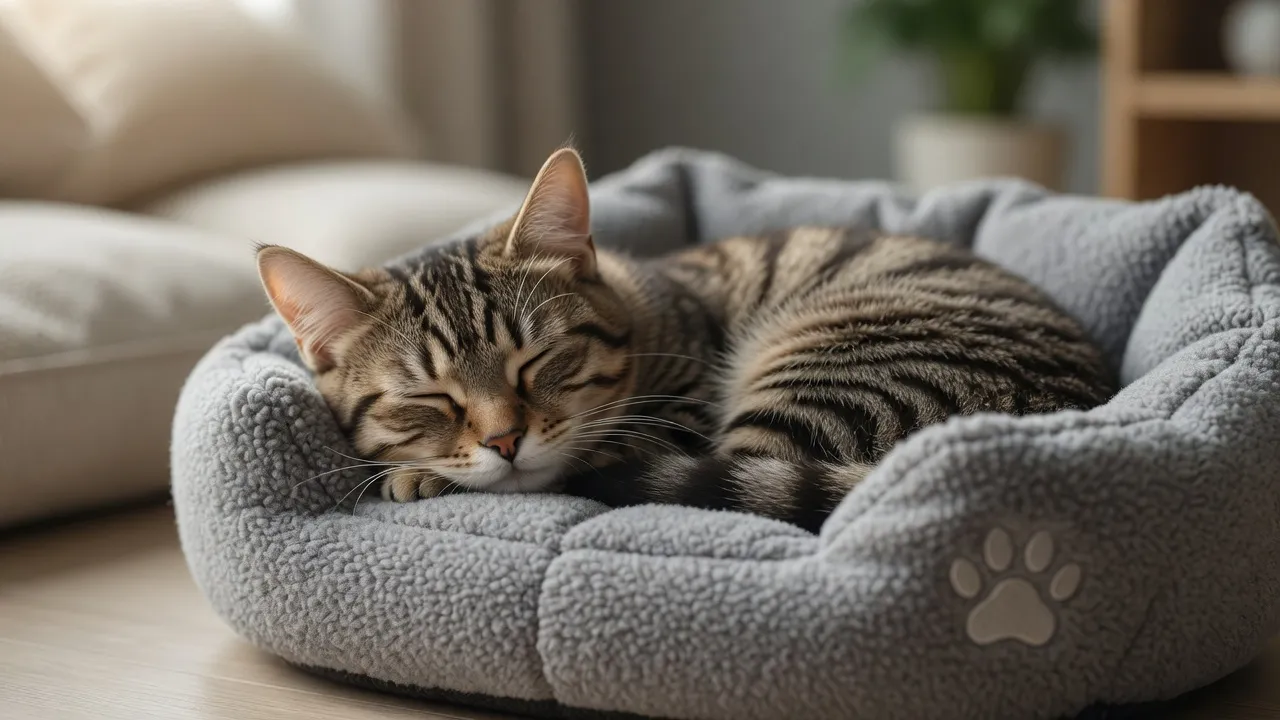
Why Cats Sleeping So Much Is Good for Their Health
Have you ever watched your furry friend sleep in a sunbeam? You might wonder why they sleep so much. But, their rest is key to their health and happiness.

So, why do cats sleep a lot? It’s not because they’re lazy. They sleep to save energy and get ready to hunt. By letting them rest, you help them live a long and joyful life.
Key Takeaways:
- Rest is a biological necessity for feline health.
- Downtime supports energy levels and immune function.
- Your awareness of these habits improves your bond.
Understanding the Biology of Cats’ Sleeping
The biological clock of a cat is amazing. It controls how they sleep each day. Watching cats sleeping shows a complex system for survival and saving energy. Their bodies are made to balance active times with long rest periods.
The Natural Sleep Cycle of Felines
Cats sleep differently than humans. They sleep in short, many times a day. Nature made them this way so they can hunt quickly.
So, you’ll see your cat sleeping in short naps. Then, they wake up for a little bit. This way, they stay alert and don’t get too tired. It’s a smart way for them to keep their energy up.
Distinguishing Between Light Napping and Deep Sleep
It’s good to know the difference between light and deep sleep. A light nap means your cat is a bit awake. You might see their ears move or eyes open a bit at sounds.
Deep sleep is when they relax completely. You might see their paws move or hear soft sounds as they dream. Knowing these states helps make sure your pet gets the rest they need to be healthy and happy.
The Evolutionary Benefits of Feline Napping
Your cat’s love for sleep comes from their wild past. Even though they live indoors, they still have a wild heart. You might wonder why do cats sleep so much. The answer is in their survival history.

Energy Conservation for Hunting Instincts
Hunting is hard work for cats. They need quick speed and focus to catch prey. This uses up their energy fast.
To keep their essential hunting instincts, they save energy when not hunting. This is why they sleep a lot. They’re always ready to chase a toy or bug.
- Preservation of stamina for sudden movements.
- Maintenance of sharp reflexes for pouncing.
- Reduction of unnecessary calorie expenditure.
- Preparation for potential territorial defense.
The Role of Sleep in Physical Recovery
Sleep is key for your cat’s health. It lets their body fix muscles and tissues from play. This is a big benefit of cats sleeping.
Sleep also boosts their immune system. While sleeping, their body makes growth hormones. This keeps them strong against sickness. Knowing why do cats sleep so much shows their rest is good for them.
How to Create the Ideal Cat Sleeping Environment
Your cat sleeps a lot, so they need a good place to rest. A space that feels safe and deeply relaxed is key. Making an ideal cat sleeping environment helps keep your pet healthy.
Selecting the Right Bedding Materials
Cats like certain textures, so pick wisely. Choose plush, machine-washable fabrics for warmth and joint support. Faux fur or soft fleece is great for keeping warm.
For burrowing cats, try a hooded bed or a soft blanket in a corner. These cat napping tips help your pet pick the best texture for their mood.
Finding Quiet and Secure Locations in Your Home
Cats sleep best in quiet spots. Put their beds in low-traffic areas to avoid disturbance. Elevated spots like cat trees offer a great view.
Choose a spot away from busy doors and loud appliances. Feeling secure is key for deep, restorative rest.
Temperature Control for Optimal Comfort
Keep the temperature just right for a cozy nap. In cold months, use sunny spots or a gentle heat source. But make sure they can move if it gets too hot.
Avoid beds near cold drafts or air conditioning vents. These can make them uncomfortable.
Reducing Noise and Environmental Stressors
Sudden noises can wake a sleeping cat. Use soft rugs or curtains to block sound. If your home is loud, a white noise machine can help. It creates a calm background sound.
Establishing Best Cat Sleeping Habits for Your Pet
If you wonder how to get cats to sleep through the night, the answer often lies in your daily routine. Cats are creatures of habit. They thrive when they know exactly what to expect from their environment. By creating a predictable structure, you help regulate their internal clock and improve their overall rest.

Setting a Consistent Daily Routine
Consistency is key for a healthy lifestyle for your feline friend. Wake up, feed, and play with your cat at the same time every day. This predictability reduces anxiety and encourages your pet to settle down when the house becomes quiet.
Encouraging Daytime Activity to Promote Nighttime Rest
One of the best cat sleeping habits involves keeping your pet active while the sun is up. If your cat spends the entire day lounging, they will likely have too much energy when you are ready for bed. Use interactive toys or laser pointers to ensure they get plenty of physical exercise during the afternoon.
- Engage in at least 15 minutes of active play before your own bedtime.
- Provide puzzle feeders to stimulate their mind during the day.
- Rotate toys frequently to keep your cat interested and moving.
- Create vertical spaces like cat trees to encourage climbing and exploration.
Managing Feeding Times to Support Sleep Cycles
The timing of your cat’s meals plays a significant role in their sleep patterns. Many owners find that a larger meal in the evening helps their cat feel satisfied and ready for a long nap. This natural post-meal lethargy is a powerful tool when you are learning how to get cats to sleep effectively.
Try to avoid feeding your cat right before you go to sleep if it causes them to become hyperactive. Instead, aim for a meal about an hour before your own bedtime. Following these best cat sleeping habits will ensure that both you and your companion enjoy a restful night.
Tips for Improving Cat Sleep Quality
You can make your cat sleep better by changing a few things in their daily life. Knowing how to get cats to sleep well means balancing their natural hunting with a calm home. This keeps your pet healthy and happy.
Using Enrichment Toys to Burn Excess Energy
Cats need to move and think to stay balanced. Too much energy can make it hard for them to sleep. Interactive toys like feather wands or laser pointers help them play before bed.
Play with your cat about an hour before bed. This imitates their natural hunt-eat-sleep cycle. Consistent play helps them relax after playing.
Creating a Calming Atmosphere with Pheromones or Music
Sometimes, cats need extra help to feel safe enough to sleep well. Synthetic pheromone diffusers can make them feel secure. These products help create a soothing environment that reduces anxiety.
Soft, classical music or pet-calming audio can also help. It masks loud noises. A quiet and predictable home helps your cat sleep better. Creating a peaceful sanctuary lets them sleep deeply without being disturbed.
Monitoring Your Cat for Signs of Sleep Disruption
Watching your cat’s behavior is important, even with good habits. If they pace, vocalize too much, or seem restless, they might be uncomfortable. Early detection is crucial for their health.
Keep a log of their sleep if you think something’s off. If the problem doesn’t go away, it might be a health issue. Staying observant helps your cat get the rest they need to be their best.
Recognizing When Your Cat Needs More Rest
Knowing the difference between a sleepy cat and a sick cat is crucial. Cats are known for their long naps. But, sudden changes in their behavior can mean trouble. Watch your cat’s usual energy to see when they’re not right.
Identifying Signs of Fatigue or Lethargy
Lethargy is more than just wanting to sleep. It’s a noticeable lack of interest in their surroundings. If your cat stops greeting you or ignores their favorite toy, they might be sick. They might also hide in dark spots instead of their usual sunny places.
Also, watch their grooming. A tired or weak cat often has a matted coat. Big changes in appetite or water intake, along with too much sleep, are signs of trouble.
When to Consult Your Veterinarian About Sleep Changes
You know your cat best, so listen to your gut if something seems off. If your cat sleeps a lot more than usual for over a day, call your vet. A vet can check for problems like infections, pain, or metabolic issues.
Don’t wait for more symptoms if your cat seems really tired or unresponsive. Early action is important to get your cat back to their usual self. Your vet can run tests to find out if your cat’s sleep changes are normal or a sign of a bigger problem.
Conclusion
Your cat needs a safe place to rest. This helps them feel good and strong. Knowing how rest and energy are linked helps you care for your pet better every day.
Changing your home a little can really help your cat. Look for special bedding from brands like PetFusion or K&H Pet Products. Good bedding makes your cat feel safe while they sleep a lot.
Keeping a regular schedule is key for your cat. Playing with them during the day helps them sleep better at night. You help keep their energy balanced with fun play and regular meals.
Watch your cat for any changes in how they act. Catching sleep issues early helps you get help from the vet fast. Caring for your cat’s comfort makes your bond stronger and their life happier.
Use these tips to improve your life with your cat. A well-rested cat is happy, healthy, and full of life. Start making these changes today to see how much better your cat will feel.


