
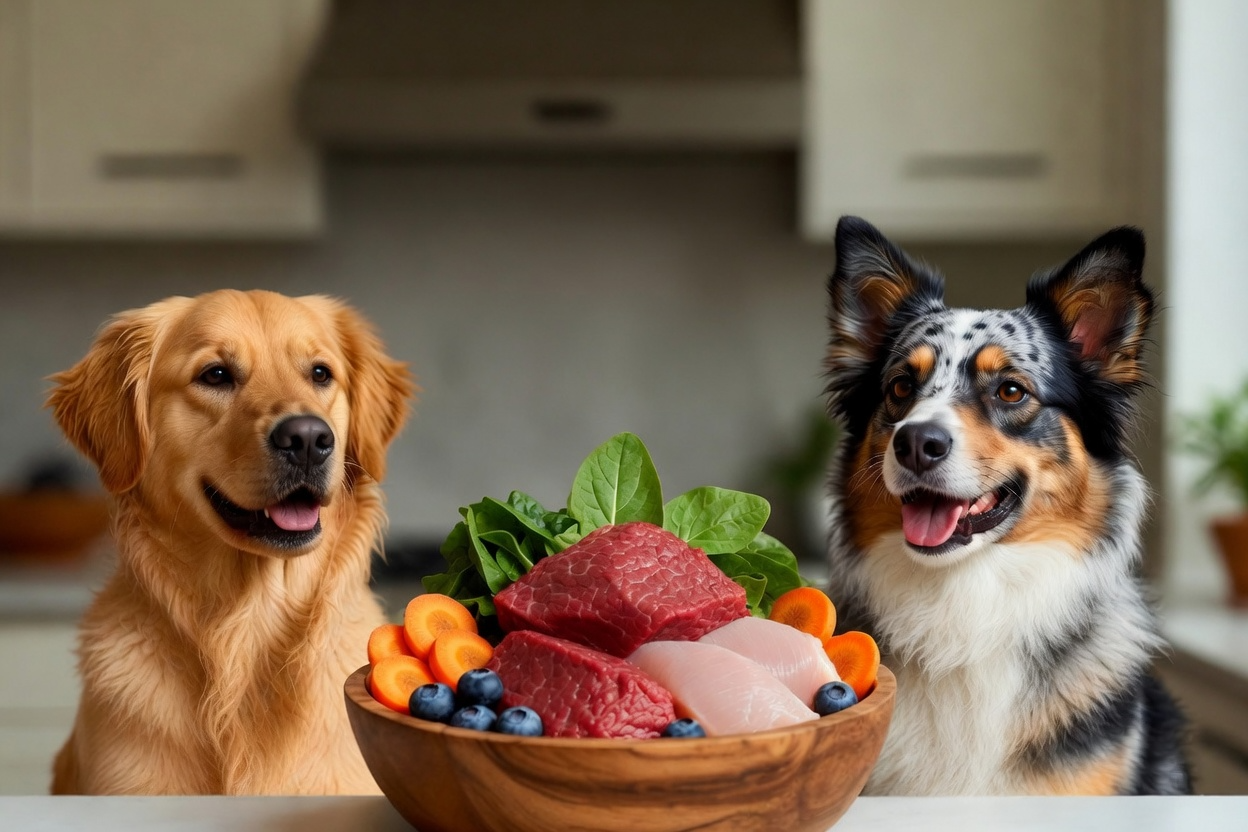
5 Complete Guide to Raw Dog Food Recipes Balanced Nutrition
You look into your loyal companion’s eyes and see pure, unconditional love. As a pet parent, you want to ensure your furry friend enjoys a long, vibrant life filled with energy. Choosing the right fuel for their body is the most important decision you make every single day.
Many owners are now discovering the transformative power of fresh, species-appropriate meals. Achieving balanced nutrition for dogs does not have to be a mystery or a source of stress. By focusing on high-quality proteins and essential nutrients, you can help your pet thrive from the inside out.

This 5 Complete Guide to Raw Dog Food Recipes for Balanced Nutrition serves as your roadmap to success. We will walk through the essential components required to maintain your canine’s health and vitality. Transitioning to a healthier lifestyle is a rewarding journey that strengthens the bond you share with your best friend.
Understanding the Fundamentals of Raw Feeding
Your dog’s body is made to thrive on a diet like their wild ancestors. By choosing raw feeding for dogs, you give them nutrition that matches their natural heritage. This diet includes high-quality proteins and fats for their health.
Switching to a raw dog food diet means leaving behind processed fillers. You give your dog foods they can easily digest. This change often makes your pet feel more alive and healthy.
Many owners see big changes after switching. The benefits of raw dog food show up in just a few weeks. You might see:
- A shinier, softer coat that shows better health.
- More energy for play and exercise.
- Better dental health, with cleaner teeth and breath.
- Improved digestion and smaller, less frequent stools.
Learning about these basics is key to feeding your dog right. A raw dog food diet is more than food. It’s about helping your dog’s body work as it should. By focusing on the benefits of raw dog food, you help your dog live a happier, more active life.
Raw feeding for dogs is about going back to basics. When you meet your pet’s biological needs, you help them reach their health potential. It’s a journey that makes your bond with your dog stronger.
Essential Ingredients for the Balanced Canine Diet
Choosing the best ingredients for raw dog food is key to better health for your dog. Making meals at home lets you control what your pet eats. It’s important to mix food groups right for balanced nutrition for dogs.
Start with three main parts: muscle meat, organ meats, and bones. Each is crucial for a full amino acid profile and vitamins. Focus on these main categories:
- Muscle Meat: It’s the main protein and energy source for your dog.
- Organ Meats: They’re packed with vitamins and minerals, missing in muscle meat.
- Calcium-Rich Bones: Raw bones balance phosphorus levels in meat.

Finding top-quality proteins is essential for your dog’s health. Choose fresh, human-grade meats to avoid additives. Varying protein sources gives a broad range of nutrients, vital for balanced nutrition for dogs.
Organ blends should be a small but important part of the diet. Organs like liver and kidney are like natural vitamins. Picking the best ingredients for raw dog food means investing in your pet’s health and happiness. Keep meals fresh to keep your dog healthy on their new diet.
Safety Protocols and Handling Raw Meat
You can keep your home safe while making a healthy raw dog food diet for your dog. Simple hygiene habits make mealtime safe for everyone. Consistency is the key to a clean kitchen.
Choose a special area or cutting board for your dog’s food. Always wash your hands with soap and water before and after handling raw ingredients. Use separate utensils to avoid mixing with your food.

Proper thawing is key for a good raw dog food diet. Thaw frozen meat in the fridge, not on the counter. Use a container or tray to catch juices.
After preparing meals, clean all surfaces that touched raw meat. A mix of water and vinegar or a food-safe cleaner works well. Follow these essential safety steps for a clean kitchen:
- Clean bowls and utensils with hot, soapy water right away.
- Store raw meat in the coldest fridge spot.
- Keep raw ingredients away from human food.
- Sanitize your workspace after every meal prep.
These steps help you manage a raw dog food diet safely. Cleanliness protects your family and pet from health risks. Enjoy the peace of mind knowing you’re caring for your dog responsibly.
5 Complete Guide to Raw Dog Food Recipes for Balanced Nutrition
Feeding your dog a healthy diet is rewarding. This complete guide to raw dog food recipes for balanced nutrition helps. It ensures your dog gets all the vitamins and minerals they need. Changing up the meals keeps things interesting and supports your dog’s health long-term.

Beef and Organ Blend for Optimal Protein
Beef is great for raw dog food recipes because it’s full of protein. Mix it with liver and kidney for extra nutrients. This mix helps build strong muscles.
Chicken and Vegetable Medley for Daily Vitality
Chicken is easy to digest, making it a good choice for how to make raw dog food. Add carrots, spinach, and zucchini for fiber and antioxidants. This mix boosts your dog’s energy.
Turkey and Berry Feast for Immune Support
Turkey is lean and pairs well with berries for immune health. Blueberries and cranberries are full of antioxidants. These homemade dog food recipes taste great and are easy to make.
Rabbit and Bone Meal Recipe for Sensitive Stomachs
Rabbit is good for dogs with sensitive stomachs. It’s hypoallergenic. Adding bone meal ensures the right calcium and phosphorus ratio. This recipe is easy on the stomach and still gives complete nutritional support.
Fish and Kelp Recipe for Skin and Coat Health
Fish has omega-3 fatty acids for a shiny coat and healthy skin. A bit of kelp adds trace minerals. These homemade dog food recipes improve your dog’s look.
Calculating Portion Sizes Based on Your Dog’s Weight
Getting the right amount of food is key to raw feeding. When you start raw dog food meal planning, figuring out how much to feed is crucial. A good rule is to give your dog 2% to 3% of their ideal weight each day.
If your dog is very active or growing, give them more food. Senior dogs or those moving slower might do better with less. Always watch your dog’s body condition to keep them at a healthy weight.

Adjust these amounts based on your dog’s needs and how active they are. For example, a working dog needs more calories than a lazy one. Getting these amounts right helps your raw dog food recipes meet your dog’s energy needs.
Keeping a consistent diet is important. By watching your dog’s weight and adjusting food, you create a good routine. Remember, every dog is different. So, adjust these percentages a bit to fit your dog’s health and energy needs.
Sourcing High-Quality Ingredients Locally
Learning how to make raw dog food means focusing on top-notch ingredients. Fresh, human-grade foods give your pet the best nutrients. By choosing local sources, you control the meat and produce quality better.
Building strong ties with local providers is key. Local butchers can offer special cuts not found in stores. Also, connect with farmers who use sustainable methods.
For the best ingredients for raw dog food, pick grass-fed meats and organic produce. These are free from harmful additives. Making meals at home means no extra additives.
Here are some reliable sources for fresh, nutrient-rich items:
- Local independent butchers with fresh, non-injected meats.
- Farmers’ markets for seasonal, organic veggies and fruits.
- Specialized raw pet food suppliers from local farms.
- Direct-to-consumer meat cooperatives focusing on grass-fed livestock.
Sourcing locally ensures every ingredient is fresh. Knowing how to make raw dog food with local items boosts your dog’s health. This way, you avoid commercial fillers.
Common Nutritional Deficiencies and How to Avoid Them
It’s surprising how easy it is to miss certain minerals in homemade dog food recipes. Fresh ingredients are great, but they don’t always have the right mix of vitamins and minerals. Consistency is the key to keeping your pet healthy.
Many owners focus on protein but forget about other important nutrients. Without the right balance, your dog might not have enough energy or a strong immune system. Knowing these risks helps you make changes before it’s too late.
To keep your dog healthy, watch out for these common nutritional imbalances:
- Calcium-to-Phosphorus Ratio: The wrong balance can cause bone problems, mainly in growing puppies.
- Omega-3 Fatty Acids: Not enough of these fats can make your dog’s skin dry and their coat dull.
- Trace Minerals: Not enough zinc, iodine, or copper can harm your dog’s metabolism.
- Vitamin E and B-Complex: These are key for nerve health and a strong immune system.
You can fix these gaps by adding natural supplements and changing up your protein sources. Using different meats like beef, turkey, and fish gives your dog a wider range of nutrients. It is truly rewarding to see your dog thrive on a balanced diet.
Remember, homemade dog food recipes need to be a science and an art. Keep an eye on your dog’s health and talk to a vet to make sure your meals are complete. These small steps today will make your dog’s life happier and healthier.
Transitioning Your Dog to a Raw Diet Safely
Starting raw feeding for dogs needs patience. Your dog’s stomach takes time to get used to new foods. A slow start helps avoid upset stomachs or loose stools.
Begin by adding raw food a little at a time. This lets your dog’s gut get used to the new food. Consistency is your best friend during these first weeks.
Here’s a simple plan for a smooth change:
- Start by replacing 25% of the current meal with raw food for the first three days.
- Watch your dog for any signs of upset stomach or energy changes.
- Up the raw food to 50% if your dog seems fine after a week.
- Keep watching as you move to 100% raw over a month.
If your dog seems uncomfortable, slow down. Adjusting the pace is key in raw feeding. Always watch for how your dog reacts to new foods.
By being careful, you lower the chance of stomach problems. A thoughtful transition leads to a healthier, happier life for your dog.
Monitoring Your Dog’s Health and Adjusting Recipes
Your dog’s health journey doesn’t stop when you start raw meals. Watching them closely is key to seeing the benefits of raw dog food. This way, you can keep your pet healthy and full of life for many years.
Begin by keeping a simple log of your dog’s health. Track things like stool quality, coat shine, and energy. This info helps you plan the best raw dog food meal planning for your dog’s breed and age.
If your dog seems tired or their stool is off, it’s time to change things. Good raw dog food meal planning means being ready to adjust ingredients. You might need to change the bone or organ meat amounts based on your dog’s digestion.
Remember, your dog’s nutritional needs change as they grow. Puppies, adults, and seniors all need different things. By watching closely, you can make sure your dog gets the most from raw dog food and stays healthy for a long time.
Conclusion
Switching to a raw diet is a big step for your pet’s health. You now know how to pick the best ingredients and make meals that meet your dog’s needs.
By choosing this diet, you help your dog feel more energetic and healthy. Every meal you make is a step towards a happy, active life.
Keep an eye on how your dog changes. Look for better fur, digestion, and mood. Making small changes helps your pet get the right food for their life.
Tell others about your journey to natural food for pets. Your stories can encourage others to try raw feeding. Focus on quality and keep your dog happy and healthy for years.


