
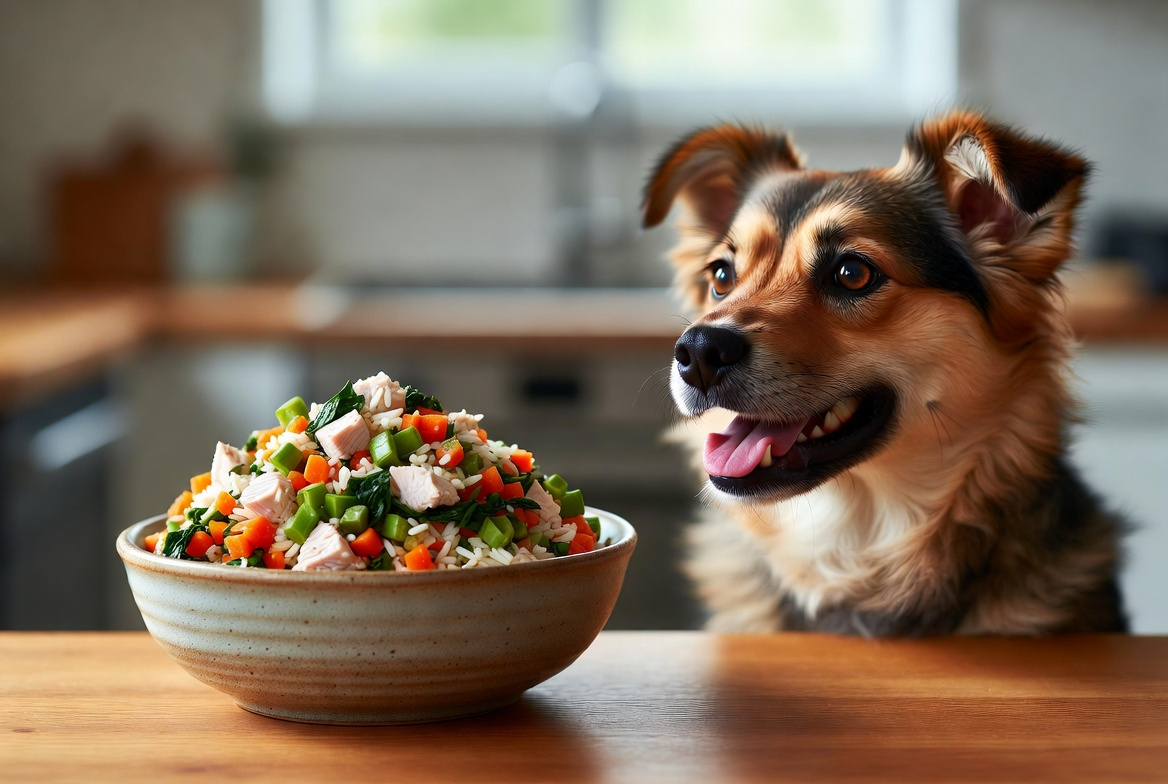
6 Natural Homemade Dog Food Recipes with Organic Ingredients
You look into those soulful eyes and see more than just a pet; you see a cherished family member. Every day, you strive to provide the best life possible for your loyal companion. Choosing the right nutrition is the most profound way to show your love and ensure their long-term vitality.
Many pet parents are now turning toward fresh, wholesome meals to boost their pup’s energy. By selecting high-quality produce, you take control of exactly what goes into their bowl. Prioritizing human-grade components helps your furry friend thrive while avoiding the mystery fillers found in many commercial options.

Transitioning to these 6 natural homemade dog food recipes with organic ingredients is a rewarding journey for both of you. You will quickly notice a brighter coat, clearer skin, and a happier spirit in your canine partner. Let us explore how simple, clean eating can transform your pet’s daily wellness starting today.
Benefits of Organic Ingredients for Canine Health
Your dog deserves the best nutrition. Organic choices are now the top pick. By picking organic dog food, you give your pet meals without bad additives. This simple choice can make your pet happier and more energetic.
Reducing Exposure to Pesticides and Chemicals
Regular farming uses harmful pesticides and fertilizers. These can harm your pet. Choosing natural dog food lowers the risk of your pet getting sick from these chemicals. It’s a smart way to keep your dog healthy for a long time.
Higher Nutrient Density in Organic Produce
Organic farming makes crops more nutritious. These foods have more vitamins and minerals. Here are some health benefits:
- Improved immune system function through better vitamin intake.
- Enhanced coat health due to higher quality fatty acids.
- Better digestion from produce grown in healthy, mineral-rich soil.
- Increased energy levels that keep your dog active and playful.
Supporting Sustainable Farming Practices
Choosing natural dog food helps your pet and the planet. Organic farming keeps water clean and protects nature. Your choice helps create a better food system for all.
Buying organic dog food is kind to your pet and the earth. It means your dog gets clean, healthy food. It also supports farming that cares for nature. It’s a great choice for any pet owner.
Nutritional Foundations for Homemade Dog Meals
Learning to make homemade dog food starts with knowing what your pet needs. A balanced diet is essential for their health and energy. Make sure each meal has the right nutrients for their body.
Balancing Proteins, Fats, and Carbohydrates
A good diet has the right mix of proteins, fats, and carbs. Proteins help build muscles. Fats give energy for daily activities. Carbs provide fuel and fiber for digestion.
To keep this balance, focus on these key parts:
- High-quality proteins: Use lean meats like chicken, turkey, or beef.
- Healthy fats: Add fish oil or flaxseed for skin and coat health.
- Complex carbohydrates: Include whole grains or starchy veggies like sweet potatoes.
The Importance of Essential Vitamins and Minerals
Your dog also needs specific vitamins and minerals. Meat and grains alone might not be enough. Add organic produce to ensure they get calcium, phosphorus, and vitamins.
Careful planning is key to avoid diet imbalances. If making homemade food, include supplements or nutrient-rich ingredients. A variety of veggies and fruits gives your dog the minerals they need.
Consulting Your Veterinarian Before Changing Diets
Talk to a vet before changing your dog’s diet. Every dog is different, based on age, breed, and activity level. Your vet can check if your meals meet their dietary needs.
Professional advice is crucial for a safe transition to homemade food. They can spot allergies or health issues that need special care. Always keep your vet updated on your dog’s diet.
6 Natural Homemade Dog Food Recipes with Organic Ingredients
Choosing the right ingredients is key to these 6 natural homemade dog food recipes. By making your own dog food, you can avoid bad fillers and additives. This change can make your dog’s energy and coat better.

Understanding the Importance of Quality Sourcing
Good ingredients are the base of a healthy meal. Organic produce and quality proteins keep your pet safe from harmful stuff. Clean sourcing means your dog gets the nutrients they need for health.
When buying ingredients, look for organic labels. This ensures your food is free from bad chemicals. Giving your dog pure, wholesome nutrition is a great gift.
Why Organic Matters for Sensitive Stomachs
Many dogs have tummy troubles from bad fillers. Natural dog food recipes let you control what your pet eats. Organic ingredients are easier to digest, helping with bloating and discomfort.
Removing processed grains and artificial preservatives helps your dog’s gut. Your pet will likely have fewer digestive upsets with organic meals. This careful choice makes every bite safe and easy for your dog to digest.
Chicken and Quinoa Power Bowl and Beef and Sweet Potato Stew
These two homemade dog food recipes can make your pet’s dinner time better. They are full of protein and made with fresh, organic ingredients. This gives your dog the energy they need for fun activities. These dog food recipes are tasty and good for your dog.

Organic Chicken and Quinoa Power Bowl Ingredients
This bowl has lean protein and grains for energy and fullness. Make sure to wash all the produce well before using it.
- 1 lb organic chicken breast, cooked and shredded
- 1 cup cooked organic quinoa
- 1/2 cup steamed organic carrots, diced
- 1/4 cup organic peas
- 1 tablespoon organic coconut oil
Preparation Steps for the Chicken Bowl
- Put the shredded chicken and cooked quinoa in a big bowl.
- Mix in the steamed carrots and peas gently.
- Add the coconut oil for healthy fats and a shiny coat.
- Serve it at room temperature for the best taste.
Grass-Fed Beef and Organic Sweet Potato Stew Ingredients
Beef gives your dog important amino acids. Sweet potatoes are a good source of complex carbs. This stew is great for dogs needing a nutrient-dense meal.
- 1 lb lean grass-fed ground beef
- 1 large organic sweet potato, peeled and cubed
- 1 cup organic green beans, chopped
- 1/2 cup organic bone broth (low sodium)
Preparation Steps for the Beef Stew
- Cook the ground beef in a skillet until it’s done, then remove excess fat.
- Boil the sweet potatoes until they’re soft, then mash them a bit.
- Put the beef, sweet potatoes, and green beans in a pot with the bone broth.
- Let it simmer for five minutes to mix the flavors, then cool it down.
Salmon and Spinach Medley and Turkey and Pumpkin Support
It’s easy to make meals full of nutrients with fresh, organic ingredients. Choose top-quality proteins and veggies rich in fiber. These organic dog food recipes taste great and help your pet’s coat and digestion.

Wild-Caught Salmon and Organic Spinach Medley Ingredients
This recipe uses omega-3 fatty acids for a shiny coat. You’ll need:
- 1 pound wild-caught salmon, deboned and cooked
- 2 cups fresh organic spinach, lightly steamed
- 1 cup cooked organic quinoa
- 1 tablespoon organic coconut oil
Preparation Steps for the Salmon Medley
Flake the salmon into small pieces, making sure to remove bones. Gently mix it with spinach and quinoa in a bowl. Add coconut oil for healthy fats that help skin health.
Organic Turkey and Pumpkin Digestive Support Ingredients
Pumpkin is great for digestion. This organic dog food is easy on the stomach and tastes good.
- 1 pound ground organic turkey, browned
- 1 cup organic pumpkin puree (unsweetened)
- 1/2 cup cooked organic brown rice
- 1/4 cup finely chopped organic carrots
Preparation Steps for the Turkey and Pumpkin Mix
Brown the turkey without salt or seasonings. Mix it with pumpkin puree and brown rice. Add chopped carrots for crunchy texture and vitamins. Serve at room temperature.
Bison and Carrot Feast and Lamb and Brown Rice Delight
Introducing unique proteins like bison and lamb can make mealtime exciting for your pet. These options are excellent alternatives for dogs who don’t like common proteins. They add variety and flavor to your pet’s diet.

Lean Bison and Organic Carrot Feast Ingredients
Bison is a lean protein with a rich flavor. Mixing it with organic carrots makes a nutritious recipe for your dog.
- 1 pound ground bison
- 2 cups chopped organic carrots
- 1 cup organic spinach
- 1 tablespoon organic coconut oil
- 1/2 cup filtered water
Preparation Steps for the Bison Feast
- Brown the bison in a large skillet over medium heat until fully cooked.
- Add the chopped carrots and water, then cover the pan to steam until the vegetables are tender.
- Stir in the spinach and coconut oil until the greens wilt.
- Allow the mixture to cool completely before serving this natural dog food to your pet.
Organic Lamb and Brown Rice Delight Ingredients
Lamb has a unique taste dogs love. This meal is great for a balanced, wholesome diet with quality ingredients.
- 1 pound ground lamb
- 1 cup cooked organic brown rice
- 1 cup organic peas
- 1/2 cup organic diced zucchini
- 1 teaspoon organic bone broth
Preparation Steps for the Lamb and Rice Meal
- Cook the ground lamb in a pan until it is browned and the fat is rendered.
- Mix in the cooked brown rice, peas, and zucchini.
- Pour the organic bone broth over the mixture to add moisture and flavor.
- Simmer for five minutes, then let the meal cool to room temperature.
These organic dog food recipes keep your dog happy and healthy. Choosing natural dog food means investing in your pet’s health for years to come.
Safe Preparation and Storage Tips
Learning how to handle food safely makes making homemade dog food easier. When you cook at home, you choose what your pet eats. But, keeping your kitchen clean is key to stop bad bacteria.

Sanitizing Your Kitchen Workspace
Before cooking, make sure your kitchen is clean. Use a safe cleaner to wipe down surfaces. Always wash your hands well with soap and water for twenty seconds before touching food.
- Wash all knives and bowls in hot, soapy water.
- Use separate cutting boards for raw meat and veggies.
- Dry all tools well to stop moisture.
- Keep your pet away from the area to avoid germs.
Proper Portioning and Refrigeration Guidelines
Cool food down fast after cooking. Split it into portions right after it cools. This helps control your dog’s food and keeps it fresh.
Put portions in airtight containers to keep nutrients in. Store homemade dog food in the fridge for three to four days. If you make extra homemade dog treats, keep them separate to keep them fresh.
Freezing Homemade Meals for Long-Term Use
Freezing is great for busy times. Cook big batches on weekends and freeze for up to three months. Label each container with the date so you use the oldest first.
When you’re ready to serve, thaw a portion in the fridge the night before. This keeps food safe and tasty. Never thaw food on the counter because it can grow bad bacteria.
Transitioning Your Dog to Homemade Food
Switching to natural dog food recipes needs a smooth start. Your dog’s stomach needs time to get used to new foods. Rushing can cause upset, so be patient.
The Gradual Mixing Method
Start by mixing new and old food slowly. This takes seven to ten days. It helps your dog’s gut adjust to the new dog food recipes.
- Days 1-3: Mix 25% new food with 75% old food.
- Days 4-6: Mix 50% new food with 50% old food.
- Days 7-9: Mix 75% new food with 25% old food.
- Day 10: Serve 100% of the new homemade meal.
Monitoring Your Dog for Digestive Changes
Watch your dog closely as you introduce new meals. Look for signs of upset stomach, like loose stools or vomiting. If you see these, slow down the transition.
Also, check if your dog is energetic and has a shiny coat. A good transition means a happy, active dog. If your dog seems tired or uncomfortable, talk to your vet.
Adjusting Recipes Based on Activity Levels
Dogs have different needs based on their age, breed, and activity. You might need to adjust portions for a healthy weight. Active dogs need more calories, while older dogs or those less active need less.
Keep track of how your dog reacts to different portions. If they gain weight, cut back on calories. If they’re too skinny, give them more. Being flexible is key to homemade nutrition success.
Conclusion
Preparing organic meals for your pet has a big impact on their health. You can make a big difference in your dog’s health by choosing the best ingredients every day.
Watch how your dog reacts to new foods. Sharing meals with your pet strengthens your bond and ensures they get the nutrients they need. You could also give them healthy homemade treats as rewards.
Talk often with your vet about your dog’s diet. They can help make sure your dog’s meals are right for them. Regular vet visits help adjust food amounts as your dog grows or changes.
Using fresh, organic ingredients lets you make meals just right for your dog. You’re giving them the best start in life. Enjoy making healthy food and treats for your furry friend. It will make them happy and healthy for many years.


