
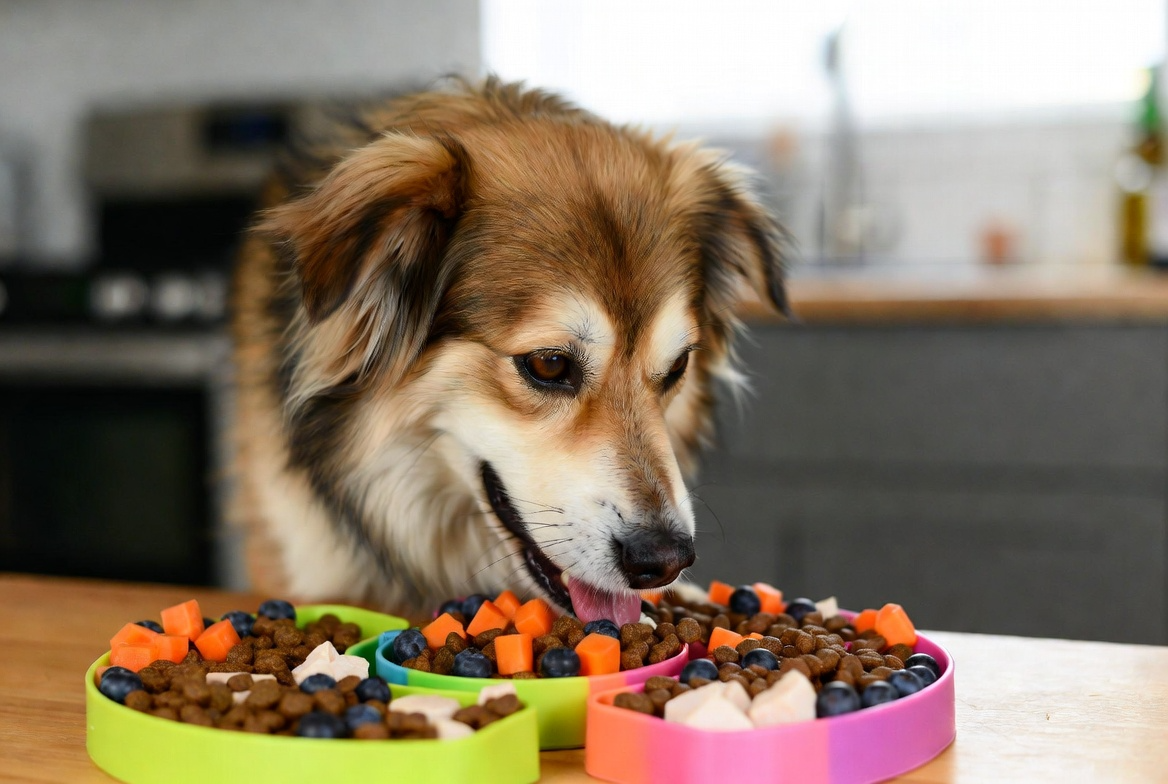
5 Dog Slow Feeder Recipes for a Calmer Mealtime Guide
Do you watch your pup eat their dinner in seconds? It worries you about their digestion. This turns a fun time into a frantic mess. You want your pet to enjoy eating, but it’s too fast.
Transforming your daily routine is easier than you think. 5Dog Slow Feeder Recipes for a Calmer Mealtime can make meals calm. These simple changes give your pet the mental play they need and help them eat slower.

You don’t need fancy stuff to see a difference. Just use what you have in your kitchen. You can make meals that calm your pet. Let’s see how these small changes make your pet happier and more relaxed.
Key Takeaways:
- Understand the link between eating speed and canine anxiety.
- Learn how to use common pantry items to extend meal duration.
- Discover how mental engagement during eating improves overall well-being.
Understanding the Benefits of Slow Feeding for Your Dog
Changing mealtime to a slower pace brings big benefits for your dog. Many dogs gobble their food quickly. This can cause bloating, indigestion, and other serious gastric distress that harms their health.
By making meals last longer, you help your pet think more. This turns eating into a rewarding mental exercise that keeps them calm. When they have to work for their food, they eat slower.
This method makes your dog feel full for longer. It’s great for pets that can’t stop eating. With more time to feel full, they beg less after their bowl is empty.
Vets often suggest this for dogs that eat too fast. Starting a slower feeding routine is a proactive step toward better digestion and health. It’s a simple change that greatly improves your dog’s life.
How to Choose the Right Slow Feeder Dog Bowl
Choosing the right slow feeder dog bowl is key to better digestion for your pet. Think about your dog’s snout shape, size, and how they eat. A small breed’s bowl won’t fit a big, hungry dog.
The best slow feeder dog dishes are made from safe, durable materials. Look for ones that are durable and easy to clean. A clean bowl is vital to avoid bacteria and keep your pet healthy.
There are many designs to choose from. Each design offers a different challenge to keep your dog busy. Here are some common types:
- Maze Patterns: These have complex ridges that make your dog work to get their food.
- Wobbling Puzzles: These bowls move as your dog eats, adding fun and exercise.
- Adjustable Difficulty: Some bowls let you change how hard they are as your dog gets better.
- Material Variety: You can pick from plastic, stainless steel, or ceramic, depending on what you like.
Finding the right balance is crucial. A slow feeder dog bowl that’s too hard can stress your dog. Start with an easier design if your dog is new to these bowls.
The best slow feeder dog dishes make eating a fun challenge. Watch how your dog reacts to different bowls to find the perfect one. This way, your dog will be happy, healthy, and full after every meal.
The Science Behind Reducing Anxiety During Mealtime
Your dog’s eating habits are linked to their emotional health. Many pets pace, whine, or show signs of guarding when food is near. These signs often mean they’re stressed, but you can help reduce dog anxiety during mealtime.
When dogs chew slowly, their brain makes calming chemicals. This natural process helps them relax. By slowing down, your dog can feel calm, unlike when they eat fast.
Dogs are born to search for food. Giving them chances to find their meals taps into their instincts. This lowers their stress and makes them feel accomplished.
It’s key to make mealtime calm and predictable. Using tools that encourage foraging helps reduce dog anxiety during mealtime. This change makes your dog feel safe and happy, making mealtime a peaceful and rewarding experience for both of you.
Essential Ingredients for Healthy Homemade Slow Feeder Dog Recipes
Preparing homemade slow feeder dog recipes lets you control your dog’s diet. Choose high-quality proteins and fiber-rich foods for their health. This way, you avoid the unknown additives in many commercial foods.
Looking for healthy dog meal ideas? Pick ingredients that are nutritious and fit well in a feeder. They should stay in the grooves and feel good to your dog. Here are some key items for your next meal:
- Lean proteins like boiled chicken breast or ground turkey.
- Pureed pumpkin, which is excellent for digestive health.
- Finely chopped carrots or steamed green beans for added fiber.
- Small amounts of cooked quinoa or brown rice for sustained energy.

These healthy dog meal ideas help keep your pup busy without making a mess. The goal is to mix ingredients so they’re thick enough to challenge your dog. Consistency is everything for keeping your dog focused.
Mastering these homemade slow feeder dog recipes gives your dog a complete meal. It keeps them energized and happy. Always add new foods slowly to check if they’re okay for your dog. With the right mix of lean meats and veggies, mealtime will be better for everyone.
5 Dog Slow Feeder Recipes for a Calmer Mealtime
Make your dog’s mealtime calm and fun. Use 5dog slow feeder recipes for a calmer mealtime to slow down eating. These homemade slow feeder dog recipes help reduce dog anxiety during mealtime by encouraging licking.
Pumpkin and Turkey Puree Delight
This recipe is great for dogs with sensitive stomachs. It’s smooth and soothing. Just mix cooked turkey with plain pumpkin puree.
- 1/2 cup cooked ground turkey
- 1/4 cup plain pumpkin puree
- Spread evenly into the grooves of your feeder
Frozen Greek Yogurt and Blueberry Medley
This treat is perfect for hot days. Freezing it makes mealtime longer and more fun.
- 1/2 cup plain Greek yogurt
- A handful of fresh blueberries
- Mash the berries into the yogurt and freeze for two hours
Savory Sweet Potato and Chicken Mash
Sweet potatoes are good for your dog’s health. This mash is filling and tasty for all breeds.
- 1/2 cup boiled, mashed sweet potato
- 1/4 cup shredded boiled chicken
- Mix together and press into the feeder compartments
Refreshing Cucumber and Bone Broth Slush
This slush is low in calories but full of flavor. Dogs love the taste of bone broth.
- 1/4 cup finely diced cucumber
- 1/4 cup dog-safe bone broth
- Pour into the feeder and freeze until it reaches a slushy consistency
Hearty Carrot and Lean Beef Kibble Mix
Adding fresh veggies to kibble makes meals more interesting. This mix is crunchy and balanced.
- 1/2 cup of your dog’s standard kibble
- 1/4 cup finely grated raw carrots
- A splash of warm water to bind the ingredients together
Tips for Preparing and Storing Your Homemade Dog Meals
Follow these dog feeding tips to make meal prep easier. Spend a bit of time each week to get your ingredients ready. This way, your pet gets a healthy, balanced diet every time. Consistency is key in feeding your dog at home.
Freezing meals in advance is a smart move for busy days. Use silicone molds or freezer-safe bags for individual portions. This way, you can grab what you need without thawing too much food.

Storing food right is as important as cooking it. Use the right containers to keep food fresh and prevent spoilage. Here are some dog feeding tips for keeping food quality high:
- Use airtight glass or BPA-free plastic containers to keep moisture and nutrients in.
- Label containers with the date to easily track freshness.
- Keep your freezer at or below zero degrees Fahrenheit for best preservation.
- Don’t leave thawed food at room temperature for more than thirty minutes.
When it’s time to serve, thawing is key for safety. The best thawing method is to thaw in the fridge overnight. This slow thaw prevents bacterial growth and keeps the food appealing and delicious for your dog.
By following these dog feeding tips, you ensure every meal is as fresh as the day you made it. These small steps give you peace of mind and provide your dog with the best nutrition. Your commitment to their health will show in their happy, wagging tail.
Promoting Digestive Health Through Interactive Feeding
Making mealtime fun can help your pet’s digestive system. By using different bowls, you promote digestive health in dogs. This makes eating a fun challenge for them.
Interactive feeding for dogs does more than slow eating. It stops them from swallowing air. This helps avoid bloating and discomfort after eating.
Using these tools regularly helps with better nutrient absorption. It also keeps their gut healthy. Eating slowly lets their body digest food better.
Interactive feeding makes your pet’s life calmer. They will feel more relaxed after eating. These small changes make their digestive system healthier and happier.
Safety Precautions When Introducing New Foods
Keeping your dog safe starts with introducing new foods carefully. It’s best to add foods slowly, one at a time. This way, you can see what works best for your dog.
The “slow introduction” method is the best way. Only add one new food at a time. This makes it easy to find out if your dog has a bad reaction.

Watch your dog for three to five days after adding a new food. Every dog is different. What works for one might not work for another. Look for any changes in their behavior or health.
If you see any of these signs, it might mean the new food is bad:
- Persistent itching or skin redness
- Unusual lethargy or lack of energy
- Sudden changes in stool consistency
- Frequent vomiting or signs of nausea
- Excessive gas or bloating
If you see these signs, stop the new food right away. Go back to what they were eating before. Consulting your veterinarian is always a good idea if you’re unsure. This way, you keep your dog’s diet safe and healthy.
Customizing Recipes for Your Dog’s Specific Dietary Needs
Every dog is different and needs a special diet. Many healthy dog meal ideas are a good start. But, you might need to change ingredients based on your dog’s age, how active they are, or health issues. Tailoring these meals helps your dog get the right nutrients to stay healthy.
If your dog has sensitive digestion, you can make changes to help. Choose easy-to-digest proteins and fiber sources. For example, using pumpkin or sweet potato instead of heavy grains can help a lot. Start with small changes to see how your dog reacts.
Managing your dog’s weight is another reason to adjust their diet. If they need to eat less, try adding fresh veggies like green beans or carrots. These can help your dog feel full and keep them at a healthy weight.
Always talk to your vet before changing your dog’s diet. They can make sure your new recipes are good for your dog’s health and meet their calorie needs. With their help, you can safely and effectively change ingredients.
Your goal is to give your dog a diet that fits their life perfectly. By watching your dog closely and working with your vet, you can make nutritious, safe, and delicious meals. Remember, keeping things consistent is important for managing dietary needs.
Common Mistakes to Avoid with DIY Slow Feeding Solutions
Creating homemade feeding solutions needs careful planning. This ensures your dog stays happy and healthy. It’s important to avoid using items that are not safe for food or can’t be washed in a dishwasher.
Make sure every part of your project is safe for your dog. Don’t use items with sharp edges or loose parts. If you can’t clean it well, pick a different design.

Another mistake is making the puzzle too hard for your pet. If it’s too tough, your dog might get frustrated or anxious. You want the challenge to be fun and doable.
If your dog seems stressed, like pacing or whining, make it easier right away. Good diy slow feeding solutions make mealtime fun and natural. This keeps your dog happy and healthy.
Lastly, being consistent is crucial. Check your homemade feeding tools often for damage. This prevents your dog from eating small pieces. By following these dog feeding tips, you create a safe space for interactive feeding for dogs every day.
Best Practices for Maintaining Your Slow Feeder Dog Dishes
Keeping your dog’s feeding area clean is crucial for their health and happiness. Even the toughest slow feeder dog bowl can get dirty if not cleaned well. This is because food can get stuck in its design.
It’s important to clean the best slow feeder dog dishes after every meal. Simple rinsing is not enough because of their maze-like patterns. You need to clean every part to keep your dog safe.
To clean well, use special tools for hard spots. The right tools save time for busy pet owners. Here are the tools and steps you need:
- Bottle brushes: Great for getting into tight spots.
- Soft-bristled toothbrushes: Good for cleaning corners where food gets stuck.
- Mild dish soap: Choose a pet-safe, fragrance-free soap to avoid irritating your dog’s nose.
- Regular inspection: Look for cracks or deep scratches where bacteria might hide.
By following these steps, you can make your slow feeder dog bowl last longer. Regular cleaning keeps it clean and working well for years. Consistency is the key to a safe and healthy place for your dog every day.
Conclusion
Slow feeding changes your pet’s daily life for the better. It’s more than just food. It’s a fun puzzle to solve.
Your dog gets smarter and feels better with each bite. These small changes make your bond stronger.
Try one new recipe this week. See how your dog likes the slower pace. They’ll be calmer at dinner time.
Keep doing it to see lasting results. Find out what your dog likes best. Share your favorite recipes with friends.
Even small changes can make a big difference. Start feeding mindfully today. Your dog will thank you.
FAQ’s
Why should I switch to interactive feeding for dogs?
A: Switching to interactive feeding helps dogs eat slower. This makes mealtime calmer and more fun. It also helps your dog use their natural foraging skills.
What should I look for when selecting the best slow feeder dog dishes?
A: Look for dishes made from safe, BPA-free materials. They should be easy to clean. Choose a dish that fits your dog’s snout and size well.
How do homemade slow feeder dog recipes help reduce dog anxiety during mealtime?
A: Homemade recipes make dogs lick or extract food slowly. This calms their brain. It makes mealtime predictable and soothing.
What are some essential ingredients for healthy dog meal ideas?
A: Use fiber-rich and lean foods like pumpkin, Greek yogurt, and steamed carrots. These are great for slow feeders because they fill the grooves.
Do you have any dog feeding tips for introducing new ingredients safely?
A: Start with one new ingredient at a time. Watch for signs of allergies or sensitivities. If you see any issues, talk to your vet.
How can I properly maintain my slow feeder dog bowl to keep it hygienic?
A: Clean the bowl regularly to avoid bacteria. Most bowls are dishwasher safe. For hand-washing, use a pet-safe soap and brush.
Can I prepare these 5dog slow feeder recipes for a calmer mealtime in advance?
A: Yes, you can prepare recipes in advance. Store them in airtight containers or bags in the fridge. Freezing them in the bowl is even better for high-energy dogs.


