
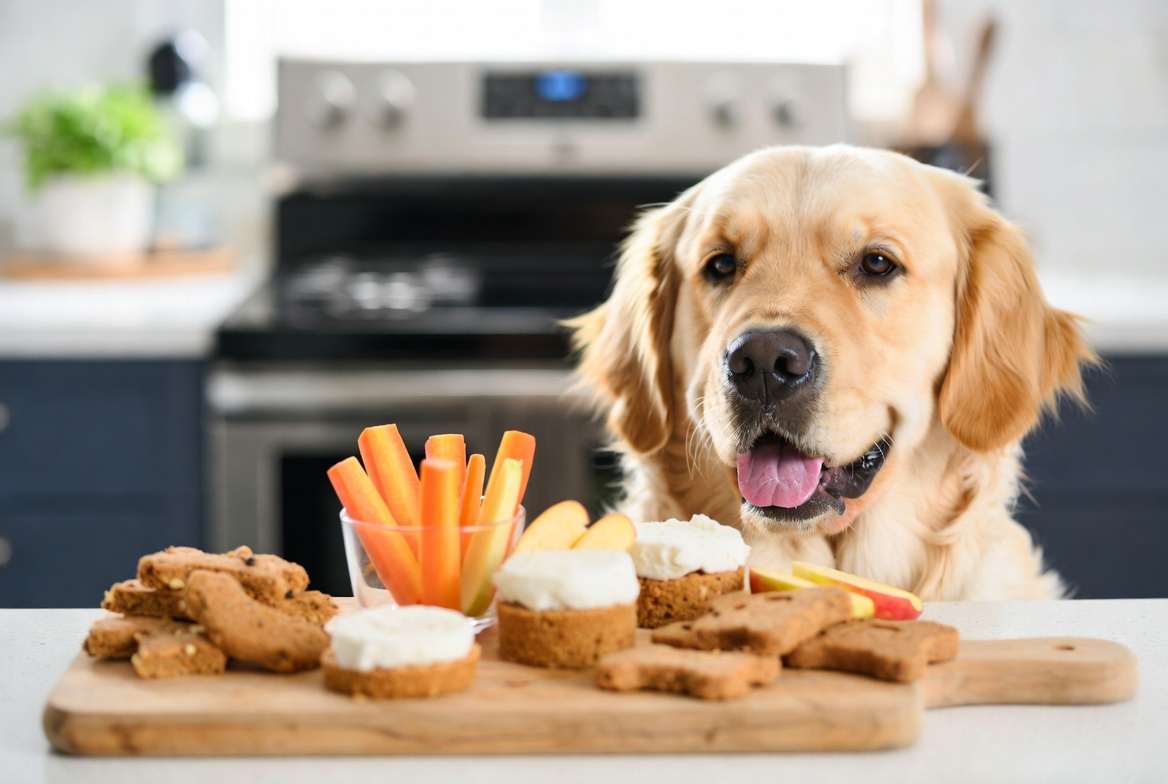
6 Dog Snack Recipes (For Any Occasion) Your Dog Will Love
There’s nothing like the sound of happy paws when you come home. Your loyal companion waits all day for you. You want to show them love, and food is a great way.
Making homemade treats is rewarding and strengthens your bond. You choose every ingredient, making sure your pet eats the best. It’s a simple way to make any afternoon special.

These ideas are perfect for birthdays or just for being good. Making these treats is easier than you think. Let’s dive into these nutritious options that will keep your furry friend happy and healthy.
Why Homemade Dog Treats Are Better for Your Pet
Homemade dog treats are much better than store-bought ones. Making snacks at home lets you know exactly what your pet eats. Commercial treats often have too many fillers and preservatives that aren’t good for dogs.
Understanding Ingredients and Nutritional Value
Using whole foods makes healthy dog snacks that are full of good stuff. You can pick fresh veggies and top-quality proteins. This means your dog gets real food, not fake stuff.
Homemade treats avoid bad stuff found in store-bought ones. Here’s why using fresh ingredients is better:
- No harmful chemical preservatives.
- Less salt and sugar.
- Control over calories for weight management.
- High-quality, safe proteins.
The Benefits of Controlling Your Dog’s Diet
Controlling your dog’s diet is very loving. Making homemade dog treats lets you make each snack just right for your dog. You can change recipes for their health needs, like a sensitive stomach or low-fat diet.
Also, giving healthy dog snacks strengthens your bond with your pet. You’ll know every treat helps their health. Keeping a consistent diet keeps your dog happy and full of energy for a long time.
Essential Kitchen Tools for DIY Dog Treats
Turning your kitchen into a pet-friendly bakery is simple with the right tools. A dedicated setup keeps your baking sessions organized and stress-free. With a few basic items, you can make easy dog treats your dog will love.
Must-Have Baking Equipment
Invest in versatile tools for consistent results. The right equipment helps you make treats the same size. This is good for portion control. Here are some items to add to your kitchen:
- Silicone molds: Perfect for fun shapes and bite-sized treats.
- Cookie cutters: Great for classic shapes that are easy to handle.
- Mixing bowls: Durable stainless steel or glass bowls are key for mixing.
- Baking sheets: Non-stick surfaces make cleaning up easy.
Safe Storage Solutions for Fresh Snacks
After mastering diy dog treats, keeping them fresh is key. Proper storage keeps your treats safe and tasty for your pet. Always choose containers that seal well to keep moisture and flavor in.
Glass jars or BPA-free plastic containers are great for keeping snacks fresh. If you bake in large batches, freezing some treats extends their life. Smart storage keeps your kitchen clean and your dog happy with fresh rewards.
6 Dog Snack Recipes (For Any Occasion)
Need a quick reward or a cool summer snack? These 6 dog snack recipes are perfect. Making treats at home lets you pick what goes into your pet’s diet. These dog-friendly recipes use simple, healthy ingredients that are safe and tasty.

Peanut Butter and Banana Bites for Daily Rewards
These small treats are great for everyday snacks. Mix a ripe banana with peanut butter and oat flour. Bake until they’re firm for a crunchy reward your dog will love.
Pumpkin and Oat Biscuits for Sensitive Stomachs
These biscuits are gentle for dogs with sensitive stomachs. Pumpkin adds fiber, and oats soothe. Mix with water and bake until they’re golden.
Sweet Potato Chews for Long-Lasting Satisfaction
These chewy slices are perfect for dogs who love to chew. Slice sweet potatoes thin and bake for hours. They make a durable, healthy chew that keeps your dog busy.
Apple and Carrot Crunchies for Fresh Breath
These treats clean teeth and are crunchy. Mix grated carrots and chopped apples with coconut oil. These dog-friendly recipes are sweet and freshen breath.
Blueberry and Yogurt Frozen Pupsicles for Summer Days
Keep your dog cool with these icy treats. Blend yogurt with blueberries and freeze in molds. They’re a refreshing summer treat.
Chicken and Parsley Training Treats for High Motivation
Use these treats for high-value rewards in training. Mix cooked chicken, parsley, and an egg. These savory bites will keep your dog focused and eager to learn.
Safety First: Ingredients to Avoid in Homemade Dog Food
Making healthy dog snacks is fun, but safety comes first. You want to give your dog the best food. But, some common foods can be bad for them. Knowing these dangers keeps your homemade dog food safe and fun.

Toxic Foods That Can Harm Your Dog
Some human foods are very bad for dogs. Even a little bit can hurt them. Always check food labels to avoid these dangers:
- Xylitol: An artificial sweetener in peanut butter and gum that can cause insulin problems.
- Grapes and Raisins: They can cause sudden kidney failure in dogs.
- Macadamia Nuts: They can make dogs weak, shaky, and too hot.
- Chocolate and Caffeine: Both are bad for a dog’s heart and nerves.
- Onions and Garlic: They can harm a dog’s red blood cells, leading to anemia.
Identifying Potential Allergens in Your Kitchen
Some dogs can be allergic to certain foods, even if they’re not poisonous. Wheat, soy, and some dairy products are common allergens. They might be in your homemade dog food.
If your dog scratches a lot, has stomach problems, or skin issues, check your recipes. Remove possible allergens. A food diary can help find out which foods are safe. Always talk to your vet if you think your dog has a food allergy.
Customizing Recipes for Your Dog’s Specific Needs
Every dog is different, so treats should be too. By tweaking dog-friendly recipes, you make sure each snack meets your pet’s health needs. Whether it’s for weight control or dental care, small tweaks can greatly improve your dog’s diet.
Adjusting Portions for Weight Management
Keeping your dog at a healthy weight is key. When making homemade dog food or treats, remember the total calories. Smaller treats are a great way to reward your dog without overfeeding.
Use smaller cookie cutters or break big biscuits into smaller pieces. This helps with training and keeps calories low. Always watch your dog’s weight and adjust portions to avoid too much weight gain.

Modifying Textures for Senior Dogs
Older dogs often have trouble with hard snacks. You can make your dog-friendly recipes softer for them. Adding moisture or using soft ingredients makes treats easier to chew.
Try steaming veggies until they’re soft or add mashed pumpkin or yogurt to your homemade dog food. These changes help your older dog enjoy snacks without discomfort. Showing care in your cooking shows you love them at every age.
Tips for Successful Baking and Prep
Making homemade dog treats at home is easy. You don’t need to be a pro to make treats your dog will love. Just follow a few simple steps to get great results every time.

Achieving the Perfect Consistency
The key to a great snack is the dough’s texture. If it’s too sticky, add a bit more flour. If it’s too dry, a little water or broth will help.
It’s important for even baking and the right shape. Here are some tips for better dough:
- Chill your dough for thirty minutes before rolling to make it less sticky.
- Use a lightly floured surface to prevent the dough from tearing during the cutting process.
- Keep your thickness uniform so that all pieces bake at the same rate in the oven.
How to Keep Your Treats Fresh Longer
After baking your homemade dog treats, store them right to keep them fresh. Since they don’t have preservatives, they need extra care. Proper drying is key to keeping them fresh longer.
Let the treats dry in a turned-off oven for an hour. This step helps prevent mold and keeps them crunchy. Here’s how to store them to avoid waste:
- Store fully cooled treats in an airtight container to lock in freshness.
- Keep snacks in the refrigerator if they contain fresh ingredients like yogurt or meat.
- Freeze large batches and thaw only what you need for the week ahead.
With these tips, you can make healthy, tasty treats for your dog. Practice makes perfect, so keep making homemade dog treats for your pet.
Involving Your Dog in the Kitchen Experience
Bringing your dog into the kitchen for diy dog treats makes memories last. Baking is a great way to bond and give your pet healthy treats. It turns a task into a fun activity for both of you.
Creating a Positive Environment While You Bake
Make sure your kitchen is safe while you make simple pet snacks. Pick a spot for your dog, like a mat or bed. This lets them watch without getting in the way.

Keep things calm and positive by praising your dog for staying put. Give them a chew toy or puzzle feeder. This keeps them busy and makes them feel part of the fun.
Teaching Patience During Treat Preparation
Use the cooling time to teach your dog important skills. As your simple pet snacks cool, practice commands like “stay” or “wait.” This teaches them patience and self-control.
Patience is a virtue when teaching your dog to wait calmly. Give them a small treat once they’re cool. This makes baking a rewarding time for both of you.
Common Mistakes to Avoid When Making Pet Snacks
Making simple pet snacks at home is fun. But, it’s easy to miss important safety steps. Even small mistakes can harm your pet’s health. Knowing what to do helps keep your snacks safe and tasty.
Over-Supplementing With Human Foods
It’s tempting to add more to your recipes. But, too much can upset your dog’s diet. Dogs need different foods than humans, so be careful with what you add.
Always check new ingredients before using them in your pup-approved treats. Some human foods are too rich for dogs. Keeping your snacks balanced keeps your pet healthy and happy.
Ignoring Proper Cooking Temperatures
When making snacks, cooking them right is key. Not cooking enough can be dangerous. Always use a thermometer to check if your snacks are ready.
To keep your kitchen safe and effective, remember these tips:
- Measure ingredients accurately to avoid nutritional gaps.
- Follow recipe times strictly to ensure thorough cooking.
- Store your pup-approved treats in airtight containers to maintain freshness.
- Consult your veterinarian if you are unsure about a specific ingredient.
- Avoid using raw dough or batter that contains eggs or flour.
By avoiding these mistakes, you can make simple pet snacks your dog will love. Being careful and consistent is the secret to safe and yummy treats.
Conclusion
Making snacks at home turns your kitchen into a place of health for your pet. You control every ingredient and bond more with your furry friend.
Your dog needs the best food. Making these treats lets you avoid bad stuff in store-bought snacks like Milk-Bone or Blue Buffalo.
Start with one simple recipe to see what your dog likes. You’ll find out which flavors make your days more fun.
Sharing these homemade snacks makes special moments during training or quiet times at home. Each batch you make is a way to keep your pet happy and healthy for a long time.
Always have healthy ingredients ready to make more treats. Your effort to give your dog good food really matters in their daily life.
Share your best baking moments with other pet owners. Your love for healthy snacks encourages others to choose better food for their dogs.


