
Best Dogs for First-Time Owners in Small Homes Guide
Walking through your front door after a long day feels special with a wagging tail. There is a unique, quiet magic in sharing your life with a loyal companion. This is true even if your living space is small.

Choosing the right pet is a big decision that needs careful thought. You want a furry friend that fits your lifestyle and thrives in a small space. Finding the best dogs for first-time owners in small homes is the first step to a beautiful, lasting bond.
This guide will help you on the exciting journey of bringing a dog into your apartment. We’ll look at how to balance your needs with the traits of different breeds. With these expert tips, you can choose a pet that will bring joy to your urban home for years.
Assessing Your Lifestyle and Living Space
Finding the perfect dog starts with knowing your habits and home. Before getting a pet, it’s essential to check your daily routine. This helps make sure your new friend fits well into your life.
Evaluating your daily activity level
Think about how much time you can realistically dedicate to your dog each day. If you love morning jogs, a high-energy dog might be perfect. But, a calm breed is better for a quiet life. Being consistent is key to your dog’s happiness and health.
Measuring your available square footage
Look at your home from your pet’s view. Measuring your space helps decide if a big or small dog is right. Even in a small home, clever use of space can make a cozy spot for your dog.
Considering your budget for pet care
Having a dog means more than just the adoption fee. You need to plan for food, vet visits, and emergencies. Thinking about these costs now will help you feel ready for your new friend.
Understanding the Needs of Apartment Friendly Dogs
Many people think small dogs are perfect for apartments. But size isn’t everything. What really matters is a dog’s inner drive and how they handle small spaces. To find apartment friendly dogs, look beyond size and focus on their temperament.
Why energy levels matter more than size
A tiny terrier might have more energy than a big, calm dog. Dogs with lots of energy can be hard to keep happy in small homes. It’s key to choose a dog based on their energy level, not just size.
Opt for indoor dog breeds that don’t need a lot of exercise. These dogs are happy with short walks and indoor play. This makes your life easier and keeps your home peaceful.
The importance of noise control in shared walls
Living in a building with shared walls means your dog’s barking affects neighbors. Too much barking can cause problems. Training your dog to be quiet when you’re away is crucial.
Keep your dog quiet by giving them things to do and comfy places to rest. A happy, busy dog is less likely to bark at every little thing. Consistency is the secret to a quiet home.
Socialization requirements for indoor living
Early socialization is key for a well-adjusted pet. In an apartment, your dog meets new people and strange noises often. Proper exposure helps them stay calm and confident.
Introduce your dog to new sights and sounds in a positive way. This helps them be friendly neighbors, not a source of stress. Investing in social skills early will benefit you for years to come with a happy indoor dog breed.
Top Small Dog Breeds for Beginners
Finding the right dog breed is exciting for first-time owners. It’s important to pick a breed that fits your lifestyle. Small dog breeds with gentle temperaments are great for beginners.

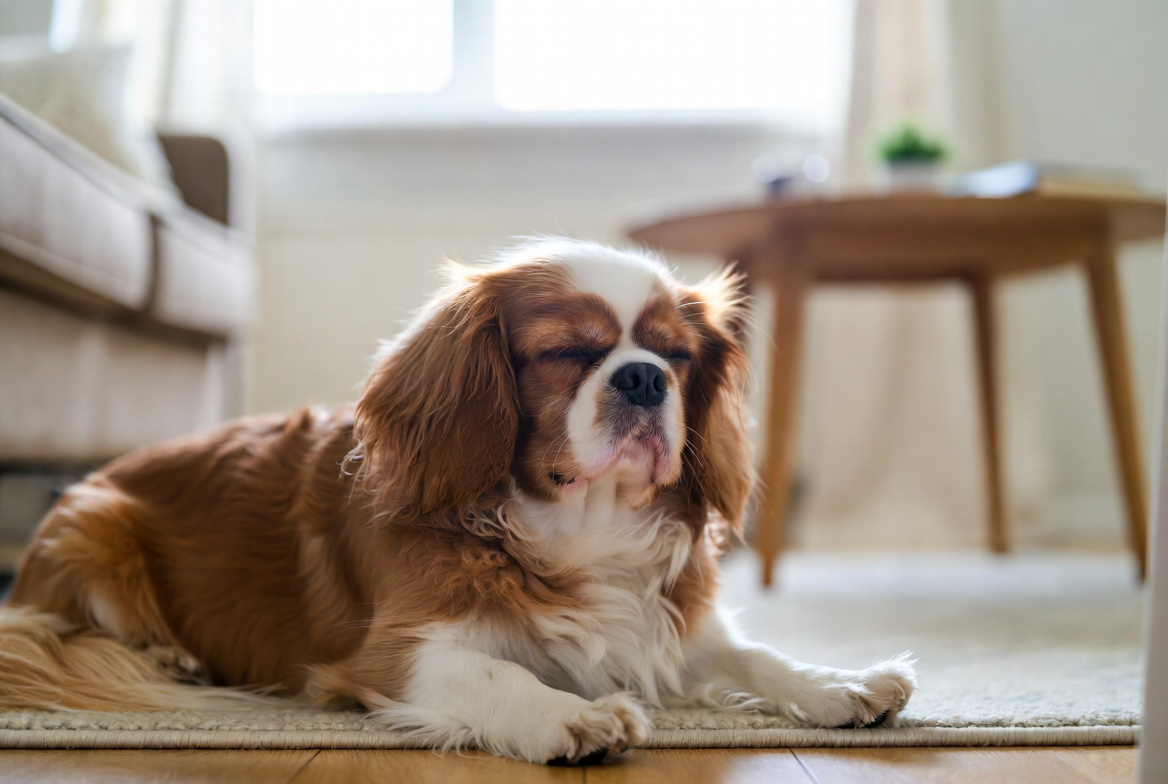
The Cavalier King Charles Spaniel for companionship
The Cavalier King Charles Spaniel is a perfect friend. They are affectionate and known as top companion dogs. They love being close to you and enjoy relaxing together.
They are easy to adapt to different homes. Their eagerness to please helps beginners get off to a good start.
The French Bulldog for low exercise needs
The French Bulldog is great for those who like a calm life. They are low maintenance dogs that don’t need lots of exercise.
A short walk is enough for them. Their calm demeanor makes them perfect for small spaces.
The Bichon Frise for allergy-friendly living
The Bichon Frise is full of energy and joy. They are small dog breeds that are good for people with allergies. Their coat is hypoallergenic.
They are very social and love to join in on activities. Their playful spirit keeps your home lively, even in small spaces.
Identifying Easy to Train Dogs for New Owners
Finding easy to train dogs can make your first pet experience less stressful. A well-behaved dog is key in a small home. Training is the base for a good, long relationship with your pet.
The intelligence of the Poodle
The Poodle is known as one of the smartest dog breeds. They learn commands and rules quickly. This makes them a top choice for apartment living.
The eagerness of the Papillon
The Papillon is a small, eager-to-please dog. They love to learn and please their owners. This makes training fun and builds a strong bond.
Setting realistic training expectations
Every dog learns at their own pace, even the smart ones. Be patient and consistent in your training. A structured environment helps all dogs thrive.
Here are some tips for effective training:
- Keep training sessions short to keep your dog focused.
- Use treats to reward good behavior right away.
- Practice every day at the same time.
- Stay calm and positive, as your dog will too.
Realistic expectations make training stress-free for you and your pet. Enjoy the journey of watching your pet grow and learn together.
Preparing Your Small Home for a New Puppy
Getting a new puppy is exciting and needs careful planning. Taking the time to organize your space makes your puppy feel at home right away. Safety and comfort are key for a happy life together.

Creating a dedicated safe zone
Every puppy needs a quiet spot to relax. Pick a corner or room as their personal sanctuary. This spot keeps them calm when you’re busy or away.
Use a playpen or cozy crate to mark this area. Add a soft bed and familiar blankets. It becomes a calming retreat for small dog breeds.
Pet-proofing your living area
Puppies are curious, so find and hide dangers before they arrive. Secure electrical cords and remove toxic plants. This keeps your pet safe and you worry-free.
Look for small objects on the floor that could be swallowed. Securing your living area prevents accidents. It’s crucial for indoor dog breeds in small spaces.
Essential supplies for small house dogs
Right gear makes caring for your puppy easier. Get a crate that’s the right size and durable chew toys. These keep your small house dogs happy and busy.
Here’s a quick list of things to get your home ready:
- Adjustable harness and lightweight leash
- Stainless steel food and water bowls
- Enzyme-based cleaner for accidents
- Interactive puzzle toys for mental health
Quality supplies keep your small house dogs comfortable and happy. Good preparation makes your home welcoming for your new friend.
Establishing a Routine for Your New Companion
Creating a routine is key for your new pet to adjust. A predictable schedule makes them feel safe. It helps small house dogs feel at home.

Creating a consistent feeding schedule
Feeding at the same time every day is crucial. It keeps your dog’s health in check. Predictability is your best friend for potty training in small spaces.
- Measure portions accurately to prevent overfeeding.
- Keep the feeding area clean and free of distractions.
- Remove the bowl after 20 minutes to establish clear meal times.
- Use high-quality food suited for the specific breed size.
Planning daily exercise and mental stimulation
Even small house dogs need to move. Without it, they might get bored and misbehave. Mix physical play with mental challenges in your daily routine.
Try these activities to keep your dog busy:
- Short, brisk walks around the neighborhood.
- Interactive puzzle toys that reward problem-solving.
- Brief training sessions to practice basic commands.
- Indoor games like hide-and-seek with favorite treats.
Managing bathroom breaks in a small space
Managing bathroom breaks is crucial in small homes. You want your pet to go at set times and places. Consistency is the key to avoiding accidents.
Establishing a firm schedule helps you meet your dog’s needs. Take them out after meals, naps, and play. This teaches them to wait for their break times, making your home more comfortable.
Best dogs for first-time owners in small homes: Selection Criteria
Many new owners focus on looks, but your success depends on finding the right match for your lifestyle. When you search for the best dogs for first-time owners in small homes, look beyond the surface. A dog’s personality is key to fitting into your daily life and small space.
Temperament versus physical appearance
It’s easy to fall in love with a breed’s coat or size. But, temperament is the true foundation of a happy home. Look for traits like patience, adaptability, and energy levels over looks.
- Check if the dog is naturally calm or high-energy.
- See how the dog reacts to new people and sounds.
- Think if the dog likes quiet time or constant activity.
Health considerations for specific breeds
Every breed has unique health profiles you must understand before committing. Some small dogs face specific genetic conditions needing specialized veterinary care. Knowing these risks helps prepare for future medical needs and costs.
Always ask about common breed-specific issues like joint problems or respiratory concerns. A healthy dog is a happy dog. Knowing your breed’s history ensures you can give them the best life.
Adopting from shelters versus buying from breeders
Choosing where to get your new companion is a big step. Both options have advantages for those seeking the best dogs for first-time owners in small homes. Think carefully about your personal values and goals.
- Shelters: Often have adult dogs with known personalities and basic training.
- Breeders: Provide predictable traits and health histories for specific puppies.
- Support: Reputable breeders often give ongoing guidance for new owners.
The right choice depends on your comfort level and what you hope to gain. Whether you rescue a dog or work with a breeder, your commitment to their well-being is key.
Navigating Common Challenges for First-Time Owners
Even the most ready pet owners face surprises when living in a small space. You might have picked low maintenance dogs to make life easier. But every pet needs time to get used to a new place. Knowing how to deal with these problems early makes being a pet parent easier.
Handling separation anxiety in small apartments
Separation anxiety happens when you leave for work or other things. In a small space, your dog might feel the sounds in the hallway or miss you more. Gradual desensitization helps your pet feel safe when you’re away.
Begin by leaving for short times and then get longer. Give puzzle toys or a cozy “safe zone” to keep your dog calm. Being consistent helps your pet feel more confident alone.
Managing barking and noise complaints
Too much barking can upset neighbors in shared buildings. Many apartment friendly dogs bark a lot, but you can teach them to be quiet. First, find out what makes them bark.
If your dog barks at hallway noises, use white noise machines. Give them treats when they’re quiet during loud times. Patience is key because changing habits takes time and effort.
Balancing work life with pet ownership
Working and taking care of a new dog needs good planning. Make sure your dog gets enough exercise and mental play before you leave. A tired dog is usually quiet and happy, making your day easier.
Think about hiring a dog walker or using a local daycare if you’re too busy. Sticking to your dog’s routine keeps them stable and secure, even when your day is full. Being organized lets you enjoy a great relationship with your pet without giving up your career goals.
Building a Strong Bond Through Positive Reinforcement
You can change how you connect with your dog by using positive reinforcement. This method rewards good actions, not bad ones. It makes your pet feel safe and loved.
By using treats, praise, and hugs, you build a language of trust. This language helps you and your dog get closer.
The power of reward-based training
Positive reinforcement is the best way to teach your dog good habits. When you reward them for listening, they learn that it’s good. Many easy to train dogs love this method because it makes them happy to learn.
Being consistent is key when teaching your dog. Keep training sessions short and fun. Remember, every dog learns at their own pace.
Engaging in indoor play and bonding activities
You can have fun with your pet even in a small space. Indoor activities can make your bond stronger. Here are some ideas:
- Hide-and-seek with favorite toys to encourage scent work.
- Interactive puzzle feeders that challenge their problem-solving skills.
- Short, high-energy tug-of-war sessions to burn off excess steam.
- Gentle grooming sessions that provide physical touch and relaxation.
Socializing your dog in urban environments
Going out in the city with your pet needs planning. As a companion dog, they should be okay with loud noises and crowds. Start with short walks during quiet times.
Always carry treats to reward calm behavior. This helps your dog see the city as a positive place. With time, they’ll be confident in the city.
Conclusion
Bringing a dog home starts a new chapter in your life. It’s a big step that needs careful planning. You must commit to your dog’s health and happiness.
You can make a happy home, even if it’s small. Focus on your habits and your dog’s needs. This builds a strong friendship.
Being patient is key in the first days. Training and gentle care make your dog feel safe. Small acts of love and play grow your bond every day.
Your hard work turns a simple place into a home for your dog. Enjoy learning about life with your dog. You’re ready for this journey with care and confidence.


