
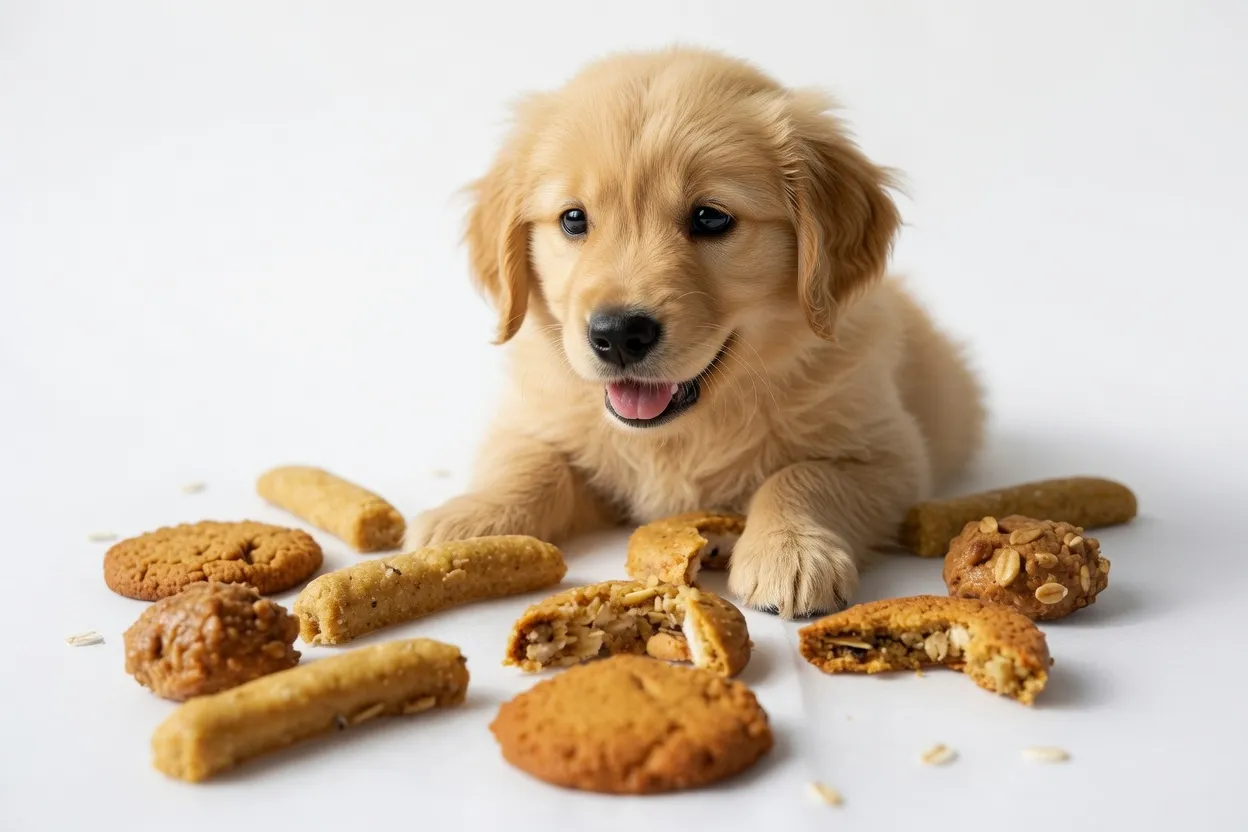
Dog Treats for Picky Eaters That Your Pup Will Love
Do you ever feel frustration when your furry friend won’t eat a snack you picked? You’re not alone. Many pet parents struggle to find snacks that their picky dogs will like.

It’s sad to see your loyal friend not want to eat. Finding the right snacks is key for their happiness and yours. When you find a snack they love, it makes mealtime special again.
In this guide, we’ll show you how to find Dog Treats for Picky Eaters. By knowing what your dog likes, you can make every snack time fun. Let’s make your pup’s day more exciting.
Understanding Why Your Dog Is a Picky Eater
Understanding your dog’s selective eating habits requires a closer look at their health, senses, and daily routines. It can be frustrating when your pet ignores a snack. But finding the right Dog Treats for Picky Eaters is the first step.
Identifying Underlying Health Issues
A sudden change in appetite might not just be a preference. It could be a sign of physical discomfort. If your dog stops eating their favorite snacks, consider these potential health factors:
- Dental pain: Inflamed gums or broken teeth can make chewing hard snacks painful.
- Digestive upset: Nausea or stomach sensitivity may cause your dog to avoid certain textures.
- Underlying illness: Chronic conditions can lead to a decreased appetite or general lethargy.
If you notice your dog struggling to chew, it is best to consult your veterinarian. Early action can help you choose safer picky eater dog treats.
The Role of Sensory Preferences in Canine Diet
Dogs experience the world mainly through their nose, not taste buds. While humans focus on flavor, a dog’s interest in food is often dictated by aroma intensity. A treat that smells bland to you might be unappealing to your pup.
Texture also plays a significant role in their decision-making process. Some dogs prefer the satisfying crunch of a biscuit, while others like soft, chewy options. Experimenting with different sensory profiles is essential when searching for the perfect Dog Treats for Picky Eaters.
Behavioral Factors and Mealtime Habits
Your dog’s environment and daily schedule significantly influence their eating habits. If your pup has learned that refusing a snack leads to getting a “better” option, they may become selectively stubborn over time.
Consistency is vital for managing these behaviors. By establishing a routine and avoiding over-rewarding, you can encourage better eating habits. Selecting high-quality picky eater dog treats for training or special rewards can help restore their enthusiasm for snack time.
Assessing Your Dog’s Flavor and Texture Preferences
Finding the perfect snack for your dog can be tricky. You can figure out what they like by doing a taste test. Watch how they react to different snacks to find the best Dog Treats for Picky Eaters.
Testing Different Protein Sources
Dogs have their own favorites when it comes to protein. Some might not like chicken but love beef or salmon. Try giving them small bits of different proteins to see what they prefer.
- Beef: Often a favorite for its strong, savory profile.
- Chicken: A classic, mild option that many dogs enjoy.
- Fish: Highly aromatic and perfect for dogs that crave intense flavors.
- Lamb or Duck: Excellent novel proteins for dogs bored with standard fare.
Comparing Crunchy Versus Soft Treats
Texture is key for your dog’s snack choice. Some dogs love the satisfying snap of hard biscuits. Others prefer the soft, chewy feel of jerky or soft-baked treats.
Watch how your dog reacts to each type. If they like soft treats but ignore crunchy ones, you know their preference. Knowing this helps you pick the right picky eater dog treats when you shop.
The Importance of Aroma for Selective Eaters
A dog’s sense of smell guides their food choices. If a treat doesn’t smell strong, they might not eat it. Warming up a treat can make it smell more appealing.
This trick releases aromatic compounds that attract even picky eaters. When the treat smells better, your dog is more likely to be interested. Make sure it’s cool before giving it to your dog.
How to Choose Dog Treats for Picky Eaters
Choosing the right treat starts with knowing what’s in it. If your dog doesn’t like regular snacks, it’s because of the ingredients. Learning to read labels helps find best dog treats for picky eaters that are nutritious, not just empty calories.
Reading Ingredient Labels for Quality
Start by looking for a named protein like chicken or salmon as the first ingredient. These are better than “meat meal” or animal by-products. Transparency is key when picking treats for a picky pup.
Look for ingredients you know. If it says a specific protein, you’re on the right path. Stay away from vague terms that hide the protein.
Avoiding Common Fillers and Artificial Additives
Many snacks use cheap fillers. These don’t taste good to picky eaters. Try to avoid:
- Corn and corn gluten meal
- Soy and soy derivatives
- Wheat and wheat flour
- Artificial dyes and colors
- Chemical preservatives like BHA or BHT
These can be hard to digest and make dogs less interested in food. Choosing treats without these ensures every bite is full of wholesome goodness. Your dog will taste and feel the difference.
Prioritizing High-Value Ingredients
Choosing high-value ingredients is good for your dog’s health. The best dog treats for picky eaters use superfoods. These snacks are tasty and good for your dog’s health.
Opting for natural, premium snacks shows you care. Picky eater dog treats made with care avoid common snack problems. Always choose quality over convenience for your dog’s happiness and health.
Top Dog Treats for Finicky Dogs to Try First
Finding the best dog treats for picky eaters is key. Standard biscuits often don’t grab their attention. You need treats that offer a strong sensory experience.

Freeze-Dried Raw Options
Freeze-dried raw snacks are a hit with finicky dogs. They keep natural moisture and flavor locked in. Unlike other snacks, they don’t lose nutrients or scent during processing.
Your dog will find the smell irresistible, even if they ignore kibble.
- Retains natural enzymes and vitamins.
- Offers a texture that is easy to chew.
- Provides a high-protein boost for energy.
- Contains no artificial preservatives or colors.
Single-Ingredient Dehydrated Snacks
For dogs with sensitive stomachs, single-ingredient snacks are great. They’re made from just one thing, like beef liver or chicken breast. This makes it easy to introduce new flavors without worrying about fillers.
These snacks are simple, clean, and tasty. They’re crunchy, which dogs love. They’re perfect for a natural diet.
Gourmet Treats for Picky Pups
For training, you might need something special. That’s where gourmet treats for picky pups come in. They have unique flavors or human-grade ingredients.
Use them as rewards, not daily snacks. This keeps your dog excited for them. They can make training fun and rewarding for your pet.
Step-by-Step Guide to Introducing New Treats
Adding new snacks to a picky eater’s diet takes time and close watching. A structured plan keeps your dog happy and healthy. Patience is truly your best tool during this time.
Starting with Small Samples
Begin with tiny portions to see if your dog likes it. A small piece lets you check their interest without overwhelming them. Always observe their initial reaction to see if they’re curious.
If they hesitate, don’t push it. Just take the treat away and try again later. This gentle approach helps them feel more confident.
Monitoring for Digestive Sensitivity
Watch how your dog reacts physically to the new treat. Introduce only one new treat at a time to spot any problems. Watch for signs of stomach upset, like loose stools or changes in appetite, for 24 hours.
If you see allergic reactions like itching or redness, stop the snack right away. It’s safer to be careful with new foods. Your dog’s health is the most important thing.
Using Positive Reinforcement Techniques
Link new snacks with positive feedback to strengthen your bond. Praise or a gentle pat when they try something new makes it fun. This positive association turns trying new things into a game.
Use these moments to teach good behavior, like sitting or staying. Snack time becomes a chance for mental exercise and a tasty reward. This loving approach can make even the pickiest dogs more open to new foods.
DIY Healthy Treats for Fussy Eaters
You can make your dog’s snacks at home. This way, you avoid bad stuff and make flavors they like.
Using fresh ingredients makes snack time special. It’s a great way to bond with your dog.
Simple Recipes Using Human-Grade Ingredients
You probably have what you need to start baking. Things like oats, peanut butter, and lean meats are great for gourmet treats for picky pups.
Mix cooked chicken with pumpkin and oat flour for tasty treats. These are better than store-bought because they smell and taste natural.
Safe Fruits and Vegetables to Incorporate
Fruits and veggies add vitamins and crunch. Blueberries are full of antioxidants and can be eaten fresh or baked.
Sweet potatoes are also good. They’re sweet without added sugars. Just steam and mash them.
Tips for Storing Homemade Snacks Safely
Homemade snacks need to be stored right. Use an airtight container to keep them fresh.
Keep them in the fridge for a week. Freeze them for longer to always have gourmet treats for picky pups ready.
Specialty Treats for Choosy Dogs with Sensitivities
Finding the right specialty treats for choosy dogs can be tough. Your dog’s sensitive system makes it hard to pick a snack that’s both safe and tasty. You want the best for your companion, so you might need to look beyond usual treats.
Grain-Free and Hypoallergenic Alternatives
Many dogs get upset by common grains like wheat, corn, or soy. Grain-free treats can help with digestion and skin issues. Hypoallergenic treats use new proteins like duck, rabbit, or venison to lower allergy risks.
These treats are gentle and still fun for your pet. They remove common allergens, making snacks safer. Always check the ingredients to match your dog’s needs.
Limited Ingredient Diets for Sensitive Stomachs
For dogs with sensitive stomachs, limited ingredient diets are a big help. These snacks have just a few ingredients. This makes it easier to find out what might upset your dog.
With fewer ingredients, there’s less chance of a bad reaction. This method is great for avoiding trial and error. It helps you find safe snacks for your dog.
Consulting Your Veterinarian Before Changing Snacks
Always talk to your vet before trying new specialty treats for choosy dogs. This is crucial if your dog has health issues or is on a special diet. Your vet can offer personalized advice based on your dog’s health.
Getting advice from your vet ensures the new snacks are good for your dog. A quick chat can prevent problems and give you peace of mind. Always keep your vet in the loop about your dog’s diet.
Managing Mealtime Expectations and Treat Frequency
It’s easy to lose count of treats your dog eats each day. You want to give healthy treats for fussy eaters, but too many can cause weight gain. A clear plan keeps your pet happy without upsetting their main diet.

Balancing Treats with Balanced Nutrition
Snacks should not make up more than ten percent of your dog’s daily calories. Check the labels of your healthy treats for fussy eaters to know their calorie count. This helps keep your dog’s diet balanced while still giving them tasty rewards.
Avoiding the Habit of Spoiling Your Dog
Too much snacking can make your dog wait for better food. Relying too much on healthy treats for fussy eaters can make them picky. Consistency is key to making sure they value their main meals as much as snacks.
Establishing a Consistent Reward Schedule
Having a set time for treats helps your dog know when to expect a reward. Using snacks for good behavior instead of constant food helps. Clear expectations keep your dog on track with their daily routine.
Troubleshooting When Your Dog Refuses Treats
Even the most excited dogs can sometimes ignore their favorite snacks. If your pet seems uninterested, remember that even the best dog treats for picky eaters can lose appeal. It’s normal for dogs to go through phases where they don’t want treats they used to love.
Rotating Flavors to Prevent Boredom
Dogs, like humans, can get tired of the same food every day. Variety is truly the spice of life for them. By changing up the protein sources like salmon, beef, or venison, you keep them interested and prevent boredom.
Keep a few different snacks ready to switch things up. This simple change can make them excited again during training or reward times.
Warming Treats to Enhance Scent
A dog’s sense of smell is their best way to judge food. If a treat is ignored, try warming it up a bit. This releases oils and makes the smell stronger, making the snack more enticing and irresistible to your pet.
This trick is great for owners looking to motivate their pets. A stronger smell can make a big difference for a picky dog.
When to Seek Professional Behavioral Advice
While some pickiness is okay, persistent refusal of food or treats might mean a problem. If your dog always turns down food, see your vet to check for dental or digestive issues. These top dog treats for finicky dogs are good, but a healthy appetite is key.
If your vet says your dog is healthy, talk to a certified animal behaviorist. They can help figure out if the refusal is due to stress, anxiety, or specific behaviors that need help.
Tailored Snacks for Selective Dogs Based on Age
Your dog goes through many stages, from playful puppy to wise senior. Giving them tailored snacks for selective dogs is a great way to support them. It keeps them happy and healthy at every stage.

Soft Options for Senior Dogs
Senior dogs may find it hard to chew hard treats. This is because their teeth and jaw get weaker with age. Softer, moist treats are better for them. They’re easy to chew and digest, making snack time a joy without pain.
Nutrient-Dense Choices for Growing Puppies
Puppies are full of energy and grow fast. They need treats with lots of protein and vitamins to help them grow strong. These specialty treats for choosy dogs give them the nutrients they need. They help build muscles and bones.
Maintaining Dental Health Through Chews
Keeping your dog’s teeth clean is key to their health. Specially designed dental chews help remove plaque and keep breath fresh. Using these chews regularly is like brushing their teeth. It keeps their teeth healthy at any age.
Best Practices for Storing and Serving Treats
Improving your dog’s snacking can be easy with a few simple steps. When you buy specialty treats for choosy dogs, keep them fresh. This ensures every treat is as good as the first time you opened it.
Keeping Treats Fresh and Aromatic
Storing snacks right is key to keeping them appealing. Dogs smell their food, so keeping it smelling good is essential.
Use airtight containers to keep snacks fresh. Store them in a cool, dry place, away from sunlight. This keeps the ingredients safe.
Portion Control for Weight Management
Even healthy treats need portion control. Treats should not replace meals but add to them.
Here are some tips for portion control:
- Break snacks into smaller pieces.
- Use a measuring cup for daily treats.
- Adjust main meals if giving extra treats.
- Ask your vet about calorie limits for your breed.
Creating a Positive Association with Snack Time
Snack time is more than feeding. It’s a chance to bond with your dog. Use tailored snacks for selective dogs during training or quiet times.
Keep interactions calm and positive. Treats with praise and affection make your dog excited. This builds a happy, healthy bond for years.
Conclusion
Finding the right balance for your pet takes patience and careful watching. You now know how to handle canine nutrition with confidence.
Using high-quality ingredients makes your dog look forward to mealtime. Tailored snacks for selective dogs strengthen your bond. Watch how they react to different tastes and smells to improve your choices.
Brands like Stella & Chewy’s or Orijen are great places to start. These gourmet treats for picky pups show what your dog loves. Keep a simple log of what works best for easier shopping in the future.
Your dedication to quality keeps your pet healthy and happy for years. Share your favorite finds with other pet owners. Every small success makes the daily routine more rewarding for both of you.


