
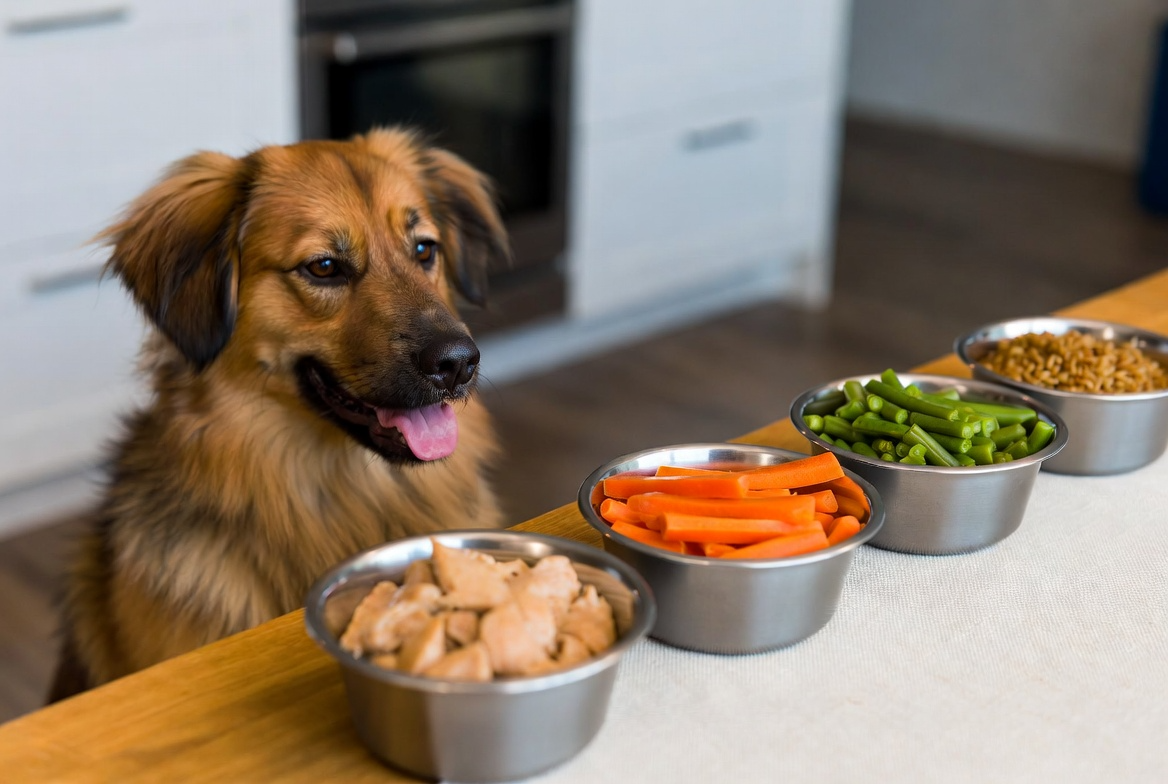
5 Human-Grade Dog Food Recipes for the Finest Pups
You look into those soulful eyes and know your loyal companion deserves the best. Sharing your life with a pet is a profound joy. Giving them wholesome nutrition is the ultimate act of love. Many owners are now finding that making meals at home can boost their pet’s health.

Switching to fresh, whole ingredients often leads to noticeable improvements in energy and coat health. Cooking with ingredients fit for your own table means you control what your best friend eats. This simple change ensures your dog thrives with every bite. Let’s look at how these homemade nutritious meals can improve your daily routine and support long-term wellness.
Why Choose Human-Grade Ingredients for Your Dog
Your dog should get the same food safety and quality as you do. Choosing human-grade ingredients means picking food that meets human standards. This ensures every meal gives optimal nutrition without hidden risks.
Many pet foods use fillers and by-products with little nutrition. These can cause unwanted allergies and digestive problems in pets. Choosing whole, human-grade ingredients removes these common irritants from your dog’s diet.
High-quality proteins and fresh produce improve your dog’s health. A diet rich in clean, recognizable ingredients boosts better energy levels, a shinier coat, and a stronger immune system. You’re not just feeding your pet; you’re promoting their longevity and overall well-being through superior nutrition.
Switching to human-grade meals lets you control what your dog eats. You can avoid mystery ingredients in processed kibble. This choice gives you peace of mind knowing your best friend is eating the best.
Essential Nutritional Guidelines for Homemade Meals
Making homemade dog food recipes is more than just love. It needs a perfect mix of nutrients. When you cook for your dog, you protect their health for years to come. Choose the best ingredients to make sure each meal is good for them.
Understanding Macronutrient Balance
A healthy meal has the right mix of proteins, fats, and carbs. Proteins help build muscles. Fats give energy for play. Carbs, like sweet potatoes, give fiber and energy.
For balanced homemade dog food recipes, focus on these:
- High-Quality Proteins: Use lean meats like chicken, turkey, or beef.
- Healthy Fats: Omega-3s from fish oil or flaxseed keep their coat shiny.
- Complex Carbohydrates: Sweet potatoes, quinoa, and brown rice give energy without raising blood sugar.
- Essential Micronutrients: Calcium and phosphorus are key for strong bones and teeth.
Safe and Toxic Foods to Avoid
Some human foods are good for dogs, but others are harmful. Remember this list to keep your kitchen safe. Always check ingredients before cooking.
Stay away from these dangerous foods:
- Grapes and Raisins: They can cause kidney failure in dogs.
- Onions and Garlic: They harm red blood cells and cause anemia.
- Chocolate and Caffeine: They are toxic to a dog’s heart and nervous system.
- Xylitol: This sweetener in peanut butter lowers blood sugar dangerously.
- Macadamia Nuts: They can make dogs weak, shaky, and hot.
By knowing what to avoid, you make a safe place for your dog. Be careful and consistent with homemade meals.
5 Human-Grade Dog Food Recipes for the Finest Pups
Choosing fresh, human-grade ingredients can boost your dog’s health. We’ve picked out 5 Human-Grade Dog Food Recipes for the Finest Pups for you. These meals use top-notch proteins and healthy veggies to keep your pet in top shape.
It’s important to mix up your dog’s diet. Switching between different proteins gives them a broad range of vitamins and minerals. Your furry friend deserves a bowl filled with love and real food.
Switching to homemade meals should be easy for you and your pet. Each recipe is simple to make, so you can feed your dog well without spending hours cooking. Here are the main benefits of choosing these homemade options:
- Complete control over the quality of every ingredient used.
- Better digestion through the use of fresh, whole foods.
- Increased energy levels from balanced macronutrients.
- Customizable portions tailored to your dog’s specific weight needs.
- Enhanced flavor that even the pickiest eaters will enjoy.
Whether you’re new to cooking or have experience, these 5 Human-Grade Dog Food Recipes for the Finest Pups are a great place to start. Making these meals is rewarding and a great way to connect with your pet.
Recipe One: Savory Beef and Sweet Potato Medley
Making homemade dog food recipes at home is rewarding. It ensures your pet gets top-notch nutrition. This dish mixes lean beef with sweet potatoes for a tasty meal. It’s great for dogs who need quality protein and carbs.

Ingredients List
For this meal, use fresh, quality ingredients. Make sure to wash and prepare them well before cooking.
- 1 pound of lean ground beef (90% lean or higher)
- 2 medium sweet potatoes, peeled and cubed
- 1 cup of fresh green beans, chopped
- 1/2 cup of carrots, diced
- 1 tablespoon of olive oil or coconut oil
Step-by-Step Preparation
These steps keep veggies’ vitamins and cook meat safely. They make homemade dog food recipes easy for busy pet owners.
- Heat the oil in a large skillet over medium heat and add the ground beef.
- Cook the beef until it’s browned and no longer pink, then drain fat.
- Steam sweet potatoes, carrots, and green beans until tender.
- Mix cooked beef and steamed veggies in a big bowl.
- Stir well and let it cool before serving to your dog.
Remember to serve the meal at a good temperature. Your dog will love the fresh, savory flavors of this homemade dish!
Recipe Two: Lean Turkey and Quinoa Power Bowl
Looking for natural dog food recipes? Try this protein-rich turkey and quinoa bowl. Quinoa is a great gluten-free grain that goes well with lean turkey. Together, they make a meal that’s both light and filling for your dog.
This recipe is perfect for dogs needing lean protein. Making it at home means your pet gets wholesome nutrition. You avoid fillers and artificial preservatives.
Ingredients List
Here’s what you need for this healthy meal:
- 1 pound of lean ground turkey
- 1 cup of uncooked quinoa
- 2 cups of water or low-sodium chicken broth
- 1 cup of finely chopped carrots
- 1/2 cup of fresh green beans, trimmed and chopped
- 1 tablespoon of coconut oil
Step-by-Step Preparation
Follow these steps to make a top natural dog food recipe. Cooking the quinoa right makes it easy for your dog to digest.
- Rinse the quinoa under cold water to remove bitterness.
- In a medium pot, mix the rinsed quinoa with water or broth. Bring to a boil.
- Lower the heat to low, cover, and simmer for 15 minutes. The liquid should be absorbed and the grains fluffy.
- While the quinoa cooks, heat coconut oil in a large skillet over medium heat.
- Add the ground turkey to the skillet. Cook until browned, breaking it into small pieces.
- Stir in the carrots and green beans. Cook for 5 minutes until the vegetables are tender.
- Mix the cooked turkey mixture with the fluffy quinoa in a large bowl. Let it cool before serving.
Always serve this meal at room temperature. Your dog will love it. This nutritious power bowl will be a hit at home.
Recipe Three: Gentle Chicken and Brown Rice Feast
You can make a soothing, nutritious meal for your pup with just a few ingredients. This dish is a favorite among natural dog food recipes because it’s easy on the stomach. It’s great for dogs with tummy troubles, offering a good mix of protein and fiber.

Ingredients List
To make this meal, you’ll need fresh, high-quality ingredients. These ensure your dog gets the best nutrition. Here’s what you’ll need:
- 1 pound of boneless, skinless chicken breast
- 1.5 cups of cooked brown rice
- 1/2 cup of finely chopped carrots
- 1/4 cup of frozen peas
- 1 tablespoon of olive oil
Step-by-Step Preparation
Start by boiling the chicken breast until it’s fully cooked. Then, remove it and shred it into small pieces. These pieces should be safe and easy for your dog to chew.
Use the same water to cook the brown rice until it’s soft and fluffy. This helps with digestion.
In another pan, steam the carrots and peas until they’re soft. Then, mix the shredded chicken, cooked brown rice, and steamed veggies in a big bowl. Add olive oil for healthy fats. This simple recipe makes a fresh, homemade meal that’s good for your pet’s health and happiness.
Recipe Four: Hearty Salmon and Spinach Delight
If you’re searching for healthy dog food recipes, try this salmon and spinach dish. Salmon is full of omega-3 fatty acids. These are great for a shiny coat and healthy skin in dogs. Adding fresh spinach gives a natural boost of antioxidants and fiber for your dog’s health.
Ingredients List
Here’s what you need for this nutritious meal:
- 1 pound fresh salmon fillet (make sure all bones are removed)
- 2 cups fresh baby spinach, chopped
- 1 cup cooked brown rice
- 1/2 cup shredded carrots
- 1 tablespoon olive oil
Step-by-Step Preparation
First, check the salmon fillet for any bones. This is very important for your pet’s safety. Then, poach or bake the salmon until it’s fully cooked and flakes easily.
In a big bowl, mix the cooked salmon with brown rice and shredded carrots. Add the fresh spinach and gently fold it in. This lets the spinach wilt a bit. Then, drizzle olive oil over it for healthy fats that help with nutrient absorption.
Let the meal cool down before giving it to your dog. These recipes are best eaten fresh. But, you can keep leftovers in the fridge for up to three days in an airtight container.
Recipe Five: Wholesome Lamb and Vegetable Stew
Adding variety to your dog’s diet is simple with this lamb and vegetable stew. Lamb is a flavorful alternative protein dogs love. It’s simmered with fresh veggies to make a tasty, moist dish. This makes it a top healthy dog food recipe.

Ingredients List
You’ll need fresh, quality ingredients for this meal. They should have lots of vitamins and minerals. Make sure to wash all veggies well before chopping.
- 1 pound of lean ground lamb or diced lamb shoulder
- 1 cup of diced sweet potatoes
- 1 cup of sliced carrots
- 1/2 cup of frozen peas
- 2 cups of low-sodium vegetable or bone broth
- 1 tablespoon of coconut oil
Step-by-Step Preparation
These steps will guide you in making a nutritious meal for your dog. The slow cooking makes the veggies tender and digestible.
- Heat the coconut oil in a large pot over medium heat and brown the lamb until fully cooked.
- Add the sweet potatoes and carrots to the pot, stirring them into the lamb juices.
- Pour in the broth, cover the pot, and let the mixture simmer on low heat for about 30 minutes.
- Stir in the peas during the last five minutes of cooking to maintain their bright color and texture.
- Remove the stew from the heat and allow it to cool completely before serving it to your dog.
This stew is a great choice for healthy dog food recipes. It makes mealtime exciting for your pup and gives them the nutrition they need.
Tips for Serving Picky Eaters
Changing mealtime for a picky eater is easy with a few tweaks. Many pet owners see their dogs become excited to eat. Start by using dog food for picky eaters that’s high quality. But, how you present it is just as important.
Adjusting Textures and Temperatures
Changing the meal’s texture can make a big difference. If your dog likes softer food, mash the veggies or proteins. This way, they can’t pick out just their favorite bits.
Temperature also affects how your dog sees their meal. Warming the food a bit can make it smell better. But, make sure it’s only lukewarm to avoid burning their mouth.
Incorporating Natural Flavor Enhancers
You don’t need artificial stuff to make meals appealing. A little bit of natural flavor can make even the pickiest dogs want to eat. These safe, healthy tips are great for finding the best dog food for picky eaters.
Here are some natural ways to make your meals more appealing:
- Bone Broth: A bit of low-sodium, onion-free bone broth adds moisture and flavor.
- Fresh Herbs: A small amount of parsley or basil can make the food smell great.
- Pureed Pumpkin: It adds a sweet flavor and fiber that dogs love.
- Nutritional Yeast: A little dusting gives a cheesy taste and lots of B vitamins.
Start with small amounts of new flavors to see if your dog likes them. By watching what they like, you can make meals just right for them.
Safe Storage and Meal Prep Best Practices
Learning to store your pet’s meals is key after mastering cooking. Proper storage keeps food safe and delicious for your pet. Follow these tips to keep your ingredients fresh from kitchen to bowl.

Portioning for Daily Feeding
Start by dividing cooked meals into single servings. Use airtight glass or BPA-free plastic containers to keep food moist and prevent contamination. This is great for dog food for picky eaters, as it makes serving easy and consistent.
It’s smart to label containers with the prep date. Try to keep only two to three days’ food in the fridge. Move older food to the freezer to keep it fresh.
Freezing and Reheating Guidelines
Freezing is the best way to keep meals fresh for longer. Leave a bit of space at the top of containers to avoid freezer burn. Thawing portions in the fridge overnight keeps texture and flavor.
To serve, reheat food gently on the stovetop or in the microwave until it’s lukewarm. Don’t overheat, as it can harm nutrients and change the meal’s texture. For dog food for picky eaters, add a bit of warm water or bone broth to improve taste and smell.
Consulting Your Veterinarian Before Changing Diets
Before you start cooking, it’s crucial to talk to your vet about your dog’s needs. Many owners like making meals at home. But, getting advice from a vet makes sure your pet gets all the nutrients they need. You can even ask for vet-approved dog food recipes that fit your dog’s health history.
Identifying Individual Dietary Needs
Every dog is different, and their diet needs change. Puppies, adults, and seniors have different calorie needs. Also, active dogs need more carbs for energy.
- Age: Puppies, adults, and seniors need different protein and fat ratios.
- Breed: Some breeds have health issues that diet can help with.
- Activity Level: Active dogs need more carbs for energy.
- Weight Goals: Your vet can help figure out if your dog needs to lose, gain, or stay the same weight.
Monitoring Your Dog’s Health Transitions
When you start a new diet, watch your dog closely. It’s normal for them to adjust slowly. But, if they have ongoing digestive problems, call your vet right away.
Watch your dog’s energy, coat, and stool during the first few weeks. These signs show if the new food is good for them. By using vet-approved dog food recipes and talking to your vet, your dog will do great on their new diet.
Conclusion
Starting to make homemade meals for your dog is a big step. You can change your dog’s health by choosing the right ingredients. This way, your dog can live a happy and energetic life.
Choosing good food for your dog is very important. Using vet-approved recipes means every meal is healthy. These meals help your dog have a shiny coat and a strong immune system.
Always talk to your vet when trying new recipes. They can help make sure the food is right for your dog. Regular vet visits will make you feel sure about what you’re doing.
Share your recipes with others to help dogs everywhere. Your stories can make a difference in the health and happiness of dogs. Start cooking today and see your dog get healthier and happier.


