
7 Cat Friendly Houseplants That Are Safe for Pets to Grow
Bringing nature indoors can make your home brighter. You love the greenery’s energy, but you also care about your cat. Finding plants that are safe for pets can be hard.

It’s possible to have plants and pets together in harmony. By picking the right plants, you can relax without worry. Your home should be a sanctuary where you can feel safe.
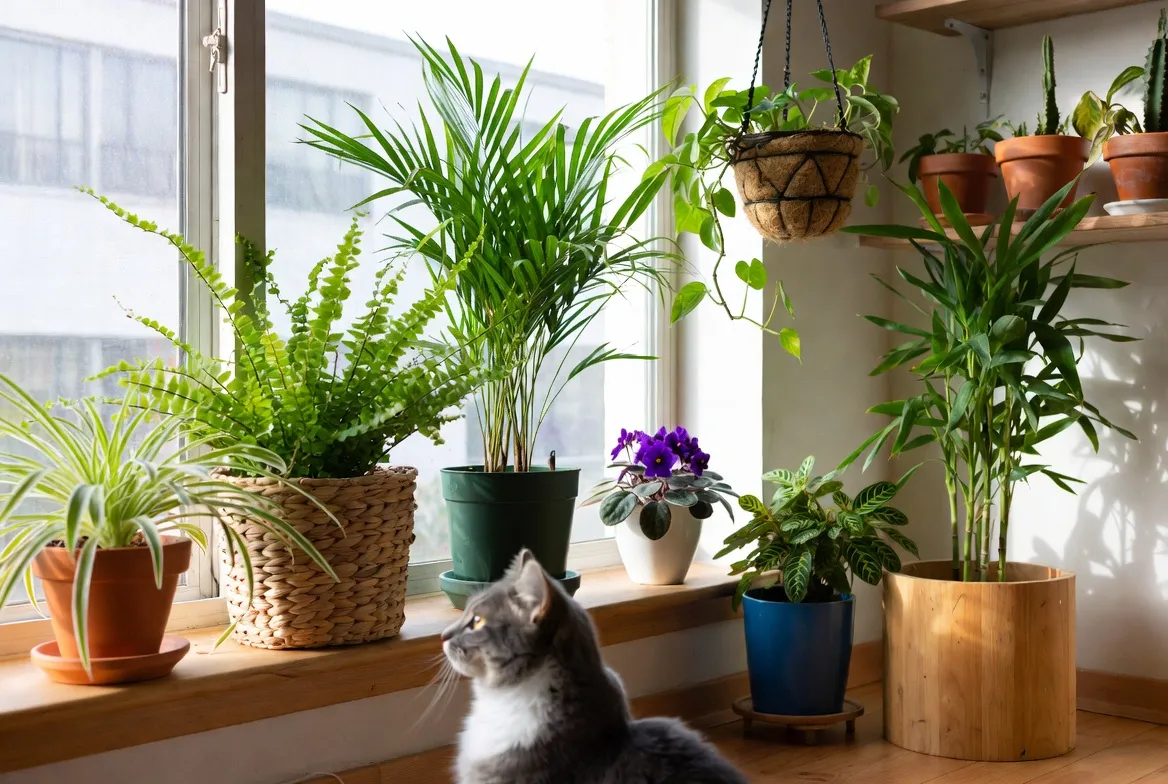
We’ve picked out 7 Cat Friendly Houseplants That Are Safe for Pets for you. These plants let you enjoy beautiful leaves and flowers while keeping your pets safe. Let’s look at these safe additions for your home today.
Why Choosing Non-Toxic Plants Matters for Your Feline Friend
Your cat sees your home as a playground. Choosing the right indoor plants is key to being a good pet owner. Remember, cats and humans handle plants differently. Prioritizing pet-safe plants keeps your home safe for your cat.
Many houseplants are toxic to cats. They can cause stomach problems or skin irritation. Curiosity is a natural trait for cats. They like to taste things around them.
Choosing non-toxic plants for cats removes dangers from their path. This way, you avoid stress and vet visits. By doing your research, you create a safe and beautiful space for your cat.
Understanding the Risks of Common Household Greenery
Knowing the hidden dangers of houseplants is key for pet owners. Plants like lilies or philodendrons can be very harmful to cats, even a little bit.
When picking plants for your home, choose pet-safe plants to keep your cat healthy. Many plants found in stores can make pets very sick if they eat them.
Watch for signs of plant poisoning in your pet. Look for vomiting, lethargy, and a lot of drooling. If you see these, call your vet right away.
Spotting these dangers early helps you swap out bad plants for safe ones. Picking the right indoor plants for cat owners makes your home safe. Knowing what to avoid helps keep your pets safe.
Your goal is to have a beautiful home that’s safe for your pets. Choosing safe plants lets you enjoy greenery without worrying about your pets.
Spider Plant: The Resilient Favorite
The Spider Plant is a top pick for homes with pets. It grows fast and fits well in many places. It’s a favorite non-toxic plant for cats, making homes safer for pets.
Why Cats Love the Spider Plant
Cats love the Spider Plant’s long, hanging leaves. The “spiderettes” offer an interactive experience for cats. They can play with the leaves safely.
The leaves’ movement keeps cats’ minds active. Watching them play with the plant is fun. It’s a great choice for safe, engaging plants for cats.
Care Requirements for Your Spider Plant
Spider Plants are easy to care for. They do best in bright, indirect light. Direct sunlight can harm their leaves.
Keep the soil moist but not too wet. Check the soil’s dryness before watering. Make sure the pot drains well to keep the plant healthy.
Boston Fern: Adding Lush Texture Safely
The Boston Fern is a top pick for feline-friendly houseplants. It’s known for its beautiful, feathery fronds. These add elegance to any room.

Creating the Perfect Humidity for Boston Ferns
Boston Ferns love high humidity, making them great for bathrooms or kitchens. Consistency is key for their health. Mist them often to keep their fronds green and lush.
If your home air is dry, use a humidifier. This helps keep the fern’s fronds from becoming brittle. Also, keep the soil moist but not too wet.
Placement Tips for Your Hanging Ferns
Hanging Boston Ferns is a great way to show off their beauty. Use strong hooks or brackets to keep them safe. This keeps them out of your cat’s reach.
Place them in bright, indirect light. Avoid direct sunlight to prevent leaf damage. Hanging them high adds beauty and keeps them safe.
Areca Palm: Bringing Tropical Vibes Indoors
If you want a lush, tropical look in your living room, the Areca Palm is perfect. This plant adds drama and beauty to your home. It’s a top choice for pet owners who love nature indoors.
Benefits of Large Palms in Your Living Space
Large palms are great for adding life to empty corners. They are highly effective at cleaning the air by removing toxins. They make your home feel like a jungle, perfect for relaxing.
These plants grow tall, adding depth to your space. They’re perfect for creating privacy or softening room edges. Plus, they’re safe for your cat.
Light and Watering Needs for Areca Palms
Put your palm in a spot with bright, filtered sunlight. Direct sun can burn the leaves. A sheer curtain helps keep them healthy.
Watering is key. Wait until the top inch of soil is dry before watering. This keeps your plant from getting root rot and keeps it happy all year.
Calathea: The Stunning Patterned Choice
Looking for safe plants for cats that look great? The Calathea is a top pick. These plants have cool leaf patterns and bright colors. They make any room look fancy.
Varieties of Calathea to Consider
There are many Calathea types to pick from. The Rattlesnake plant has wavy, dark green leaves with purple underneath. The Peacock plant has bold, feather-like patterns that grab your attention.
These plants are safe for cats. You can decorate your home without worry. Whether you want a small or big plant, you’ll find the right one. Each type adds its own special touch to your space.
Maintaining Vibrant Foliage in Low Light
Calatheas do well in dark spots. To keep them looking vibrant and healthy, care for them well. They like indirect light to avoid burning their leaves.
It’s key to water them right. Keep the soil moist but not too wet. This helps them grow well. By checking the soil often, you’ll have beautiful leaves all the time.
Parlor Palm: A Compact Solution for Small Spaces
If you want greenery for a cozy apartment, the Parlor Palm is great. It adds a tropical vibe without taking up much space. It’s also one of the safe plants for cats, so you can decorate without worry.
Why Parlor Palms Are Ideal for Apartment Living
Apartment folks often find it hard to find plants that do well in little light. The Parlor Palm is exceptionally versatile and can handle low light. It’s small, making it perfect for tight spots or small tables.
These palms grow slowly, so they won’t get too big for your space. They add a lush, classy look to any room. By choosing this plant, you get safe plants for cats that don’t ruin your decor.
Growth Habits and Maintenance
Keeping a Parlor Palm is easy, even if you’re new to indoor plants. They like to dry out a bit before you water them. Consistency is key to keeping them looking good all year.
Put your palm in a spot with indirect light to avoid leaf burn. With a little care, this tough plant will be a part of your home for years. It’s a low-maintenance companion for pet owners in small spaces.
African Violet: Adding a Pop of Color
Make your windowsills bright with African Violets. These flowers are safe for cats and add joy to your home. You don’t have to worry about your pet’s safety around them.

Encouraging Blooms in Your African Violets
To keep your plants blooming, give them the right spot. They love bright, indirect light. This makes them bloom all year beautifully.
If your home is dark, a small grow light can help. Here’s how to keep your plants happy:
- Put your pots in a spot with bright, filtered sunlight.
- Take off old flowers to make room for new ones.
- Keep the room temperature steady to avoid stress.
- Feed them a balanced fertilizer made for flowering plants.
Safe Soil and Watering Practices
Take care when watering your cat-friendly indoor plants. African Violets need a special potting mix that drains well. This mix should stay moist but not wet.
Don’t water the leaves. It can cause spots or decay. The best way to water is bottom-watering. Put the pot in a tray of water for twenty minutes. This way, the soil gets moist without wetting the leaves.
Ponytail Palm: The Unique Statement Piece
Finding cat-friendly indoor plants that also serve as artistic centerpieces can be a challenge. But the Ponytail Palm is perfect. It’s not a palm, but a succulent that adds a distinctive, desert-inspired aesthetic to any room. Its bulbous trunk and cascading, ribbon-like leaves make it a fantastic conversation starter for your guests.
Understanding the Drought Tolerance of Ponytail Palms
This plant is amazing because it thrives with minimal attention. The swollen base of the trunk acts as a natural water reservoir. This allows the plant to store moisture for long periods. It’s perfect for busy people who might forget to water sometimes.
It’s very resilient, so you don’t have to worry if you’re away for a weekend. It prefers to dry out completely between waterings. This helps prevent common issues like root rot. That’s why it’s a top choice for cat-friendly indoor plants in modern homes.
Styling Your Home with Unique Succulents
To make your Ponytail Palm stand out, place it in a spot with plenty of bright, indirect light. Its architectural shape looks stunning on a pedestal or a sturdy side table. This lets the long leaves drape gracefully. Pair it with a sleek, modern pot to highlight its unique silhouette.
Since this plant is non-toxic, you can keep it in your living room or bedroom without worry. Elevating the plant slightly protects the delicate leaves from curious paws. It’s a stylish and safe addition to your indoor garden collection.
7 Cat-Friendly Houseplants That Are Safe for Pets to Grow in Your Home
Choosing the right plants keeps your pets safe and happy. With 7 Cat Friendly Houseplants That Are Safe for Pets, you can decorate without worry. These plants add beauty and peace of mind for pet owners.

We’ve made a quick guide to help you choose. These pet-friendly houseplants have different needs. Think about your home’s light and your schedule before picking.
- Spider Plant: Thrives in bright, indirect light with moderate watering.
- Boston Fern: Prefers high humidity and consistent moisture.
- Areca Palm: Needs bright light and regular watering to stay lush.
- Calathea: Loves low light and requires careful humidity management.
- Parlor Palm: A perfect, low-maintenance choice for smaller, dimmer corners.
- African Violet: Enjoys bright, indirect light and bottom-watering techniques.
- Ponytail Palm: Highly drought-tolerant and ideal for sunny spots.
Review these options to find the best fit for you. Whether you need a plant for low light or a sunny spot, we’ve got you covered. Start your indoor gardening journey today with confidence and style.
Tips for Maintaining Your Indoor Garden Around Curious Cats
Even with plants that are safe for cats and dogs, cats might still play with your plants. They might dig in the soil or swat at leaves. This can make a mess and stress your plants. But, you can find a way to balance your love for plants and your pet’s curiosity.
Using Deterrents to Protect Your Plants
If your cat likes to check out your plants, you can use natural ways to stop them. Cats often don’t like the smell of citrus. So, putting lemon or orange peels on the soil can help. Here are some other ways to keep your indoor plants safe for cat owners:
- Cover the soil with large, decorative river stones to prevent digging.
- Use specialized mesh plant covers that allow water through but block access to the dirt.
- Apply a pet-safe bitter spray to the leaves to discourage nibbling.
- Place double-sided tape around the base of the pot to deter jumping.
Elevating Your Greenery for Extra Safety
One way to protect your plants is to put them out of reach. Vertical gardening is a great way to show off plants that are safe for cats and dogs while keeping them safe. This way, you get a beautiful display that your pets can’t touch.
Here are some creative ways to make your indoor plants for cat owners higher:
- Install sturdy, wall-mounted shelving units that are too high for your cat to jump onto easily.
- Use decorative hanging baskets to turn your ceiling into a lush, green canopy.
- Place taller plants on heavy, stable plant stands that are difficult to tip over.
- Utilize macramé hangers to suspend your greenery near bright windows.
By using these methods, you can have a beautiful indoor garden without worry. A little planning can make your home peaceful and your pets happy.
Conclusion
Turning your home into a green paradise makes every day better. You can have a beautiful indoor garden and keep your pets safe. Just pick the right plants.
Choosing pet-friendly plants makes your home safe for everyone. This way, you can enjoy nature without worrying about your pets’ health.
Begin by adding a few safe plants to your home. Soon, you’ll see how simple it is to care for them. They will also make your home look great.
Watch how your pets react to the new plants in your home. A happy home is one where plants and pets thrive together. Enjoy making your home greener and healthier for all.


